Survey permits signal renewed momentum for Vietnam...
1 hour ago

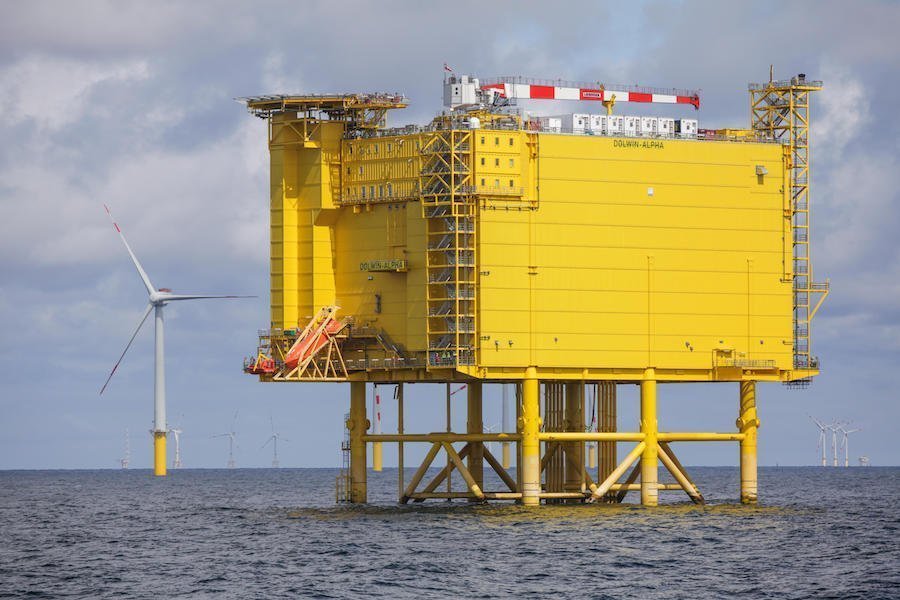
Transmission system operators in the Baltic region have presented a plan to transform the area into a clean energy hub, with up to 50 GW of new offshore wind capacity and 13GW of cross-border interconnectors by 2040.
This was revealed in a recent study named Baltic Offshore Grid Initiative: System Study 2026, published by TSOs from Denmark, Estonia, Finland, Germany, Latvia, Lithuania, Poland, and Sweden, including companies like 50Hertz, AST, Elering, Energinet, Fingrid, Litgrid, PSE, and Svenska Kraftnät.
The study plans for high use of interconnectors, featuring point-to-point links and strategic nodes like Bornholm as hybrid hubs. This approach could reduce system costs, price spikes, and CO2 emissions.
Poland, Finland, and Sweden are at the forefront of new capacity growth. Meanwhile, Denmark and Germany face space limitations in the Baltic but could shift their focus to the North Sea.
Most farms connect radially to the shore due to short distances, although offshore nodes create hybrid hubs. This way, offshore wind will provide electricity directly to consumers, as well as fill a growing need for hydrogen. The study’s analysis also sees the Baltic region becoming a net electricity exporter.
The study, published ahead of the North Sea Summit in Hamburg, creates a model for European sea basins. It stated that regional offshore cooperation is essential to unlocking the potential of network infrastructure and offshore wind energy across Europe.