Titan bags twin China offshore wind contracts
13 hours ago

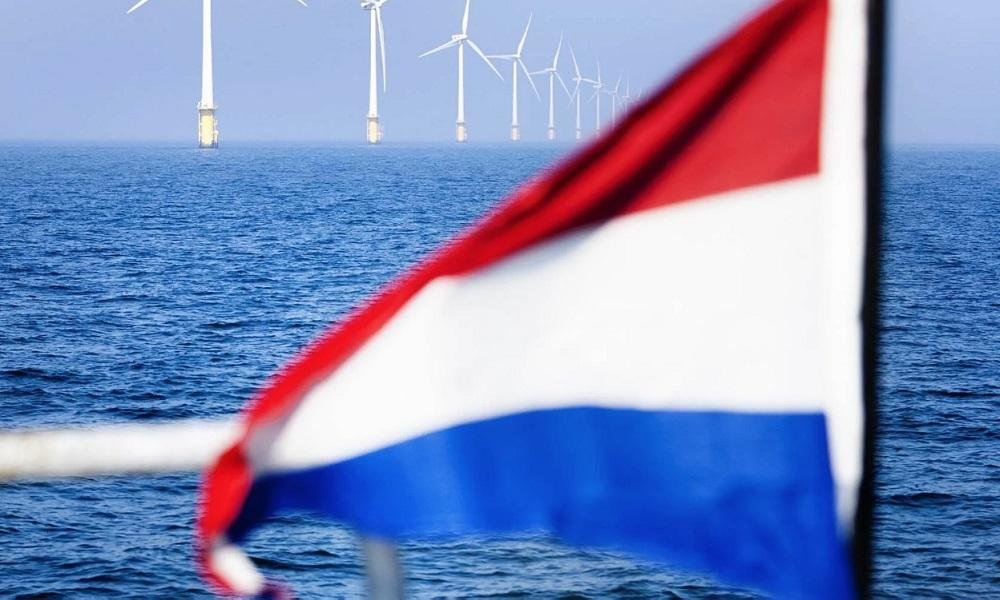
The incoming Dutch government has recommitted to offshore wind expansion, aiming for the upper limit of 40GW of capacity by 2040, while acknowledging challenges in meeting the 55% greenhouse gas reduction target by 2030.
The current government revised the 50GW target for 2040 downward to 30-40 GW. The new government will be aiming for the upper limit.
As a result, 40GW of offshore wind farms are set to be built, with the government bearing part of the financial risks through new contracts.
The government will prioritise the development of the North Sea wind farm sector, with a dedicated budget and new contracts that share financial risk to attract investors.
Power grid congestion remains the top priority, with a forthcoming “crisis law” to fast-track permits for urgent projects, enable government intervention on stalled developments, and introduce flexible contracts plus grid tariff incentives. Energy hubs will optimise available capacity amid widespread bottlenecks.
The cabinet also extended subsidies for sustainable energy—including offshore wind—through 2032. The current government has not made any funds available for this purpose after 2026.
First outlined post-election, the strategy underscores the centrality of offshore wind to Dutch energy security, even as the cabinet balances realism on 2030 goals with long-term 2040-2050 Climate Act targets.
“For clean, domestic energy, we continue to invest in offshore wind through CfDs for 40GW. In addition, we are ensuring good coordination between electricity supply and demand in industry and better interconnection with other countries,” the coalition, led by D66 party’s Rob Jetten, said.