Missing Crew Not Found in Iran-Hit Vessel, Thai Sh...
23 hours ago

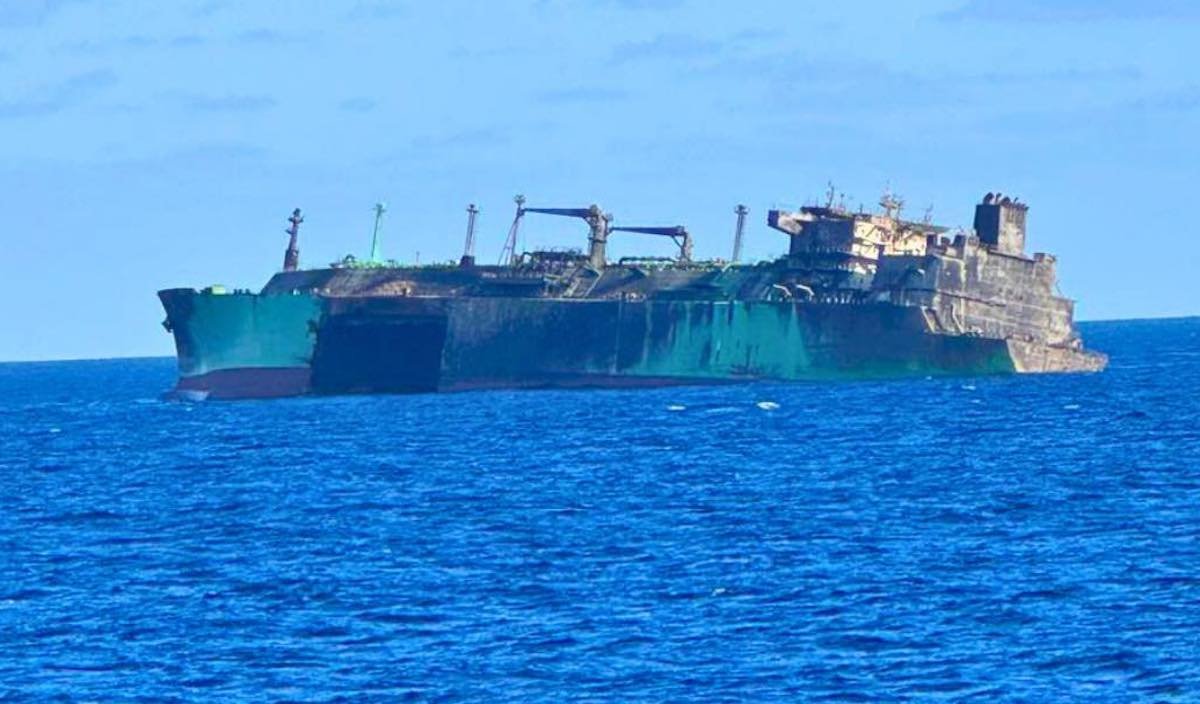
The fate of the damaged tanker Arctic Metagaz remained uncertain as a Libyan-led towing operation pushed the vessel farther into the central Mediterranean, raising fresh questions about salvage plans, jurisdiction, and mounting weather risks.
The Russian-linked tanker, which has been adrift since early March following a reported blast, had been taken under tow by Libyan authorities in recent days after weeks of drifting near the coast. Officials assembled a convoy of tugs, including the Maridive 701, and began moving the vessel slowly eastward, initially in the direction of Misrata and away from sensitive offshore oil and gas infrastructure.
But recent tracking data and social media monitoring suggest the operation has become increasingly erratic.
As of late March 30, the convoy had reached roughly 80–86 nautical miles north-northeast of Misrata, placing it firmly in international waters and edging it toward the boundary of Malta’s search and rescue region, which begins at approximately 34 degrees north latitude. The vessel’s position near 33.75°N has prompted questions about whether responsibility for the operation could once again shift toward Malta.
The route taken by the convoy appears to contradict earlier expectations that the vessel would be brought into a Libyan port, such as Misrata, for stabilization and possible cargo removal.
Several media reports had indicated that remaining cargo aboard the tanker could be offloaded this week, but recent movements suggest that may no longer be the plan. Instead, the convoy has been moving away from Libyan ports capable of handling such an operation.

— Update position
2029-03-30 2009z
33 42N 015 47 *
86 NM NNE Misurata
Il convoglio che traina il tanker russo Arctic Metagaz a 2009z (22:09 CEST del 30 marzo),… pic.twitter.com/YIIsI5UYr5
Libyan officials have not responded to repeated requests for comment on the current strategy or final destination of the vessel.
The towing effort itself has faced significant challenges. Over the weekend, the towline connecting the tanker to assisting tugs snapped amid rough seas and strong currents off the Misrata coast, forcing hazardous reattachment operations. Satellite imagery and AIS tracking indicated a prolonged “tug-of-war” between the damaged hull and towing vessels, with intermittent drifting episodes.
According to analysts and maritime observers, the vessel’s structural instability, combined with uncertain cargo conditions, has complicated salvage planning. The International Crisis Group has described the operation as high-risk, noting the potential environmental danger posed by the tanker and the logistical difficulty of securing and offloading its contents in unstable conditions.
Weather forecasts now add another layer of concern. A severe central Mediterranean weather system expected from April 1 to 3 could bring winds of up to 46 knots and waves reaching five meters, conditions that could further strain towing lines and increase the risk of losing control of the vessel.
The evolving situation has also raised political and operational questions. With the tanker moving northward and away from Libya, it remains unclear whether authorities are deliberately distancing the vessel from their coastline or simply reacting to difficult towing conditions.
Maltese officials did not respond to inquiries about whether they are monitoring the situation or preparing for a potential shift in responsibility should the vessel re-enter their search and rescue zone. Nearly a month after the crisis began, the operation to secure the damaged tanker appears far from resolved.

Sign up for gCaptain’s newsletter and never miss an update