Fuel cleared from grounded cruise ship in Fiji | C...
6 hours ago

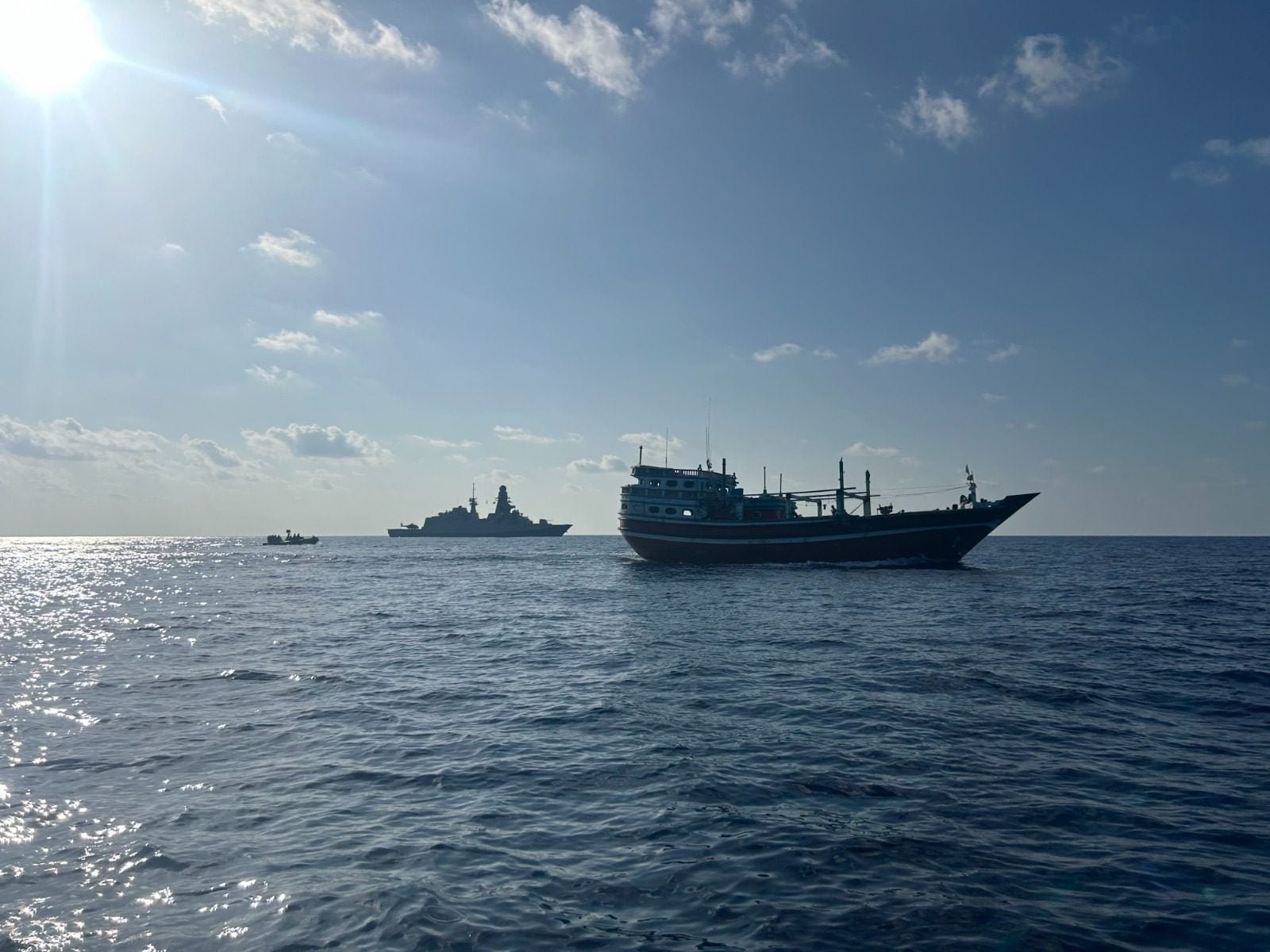
European naval forces say a hijacked Iranian fishing dhow has been successfully freed after nearly two weeks under pirate control in the Western Indian Ocean, marking the latest flare-up in a region long plagued by maritime piracy.
The EU’s naval mission, EUNAVFOR Operation ATALANTA, confirmed that the Iranian-flagged dhow ALWASEEMI was liberated on April 5 after pirates abandoned the vessel under sustained pressure from naval and air assets.
According to the force, the fishing vessel had been hijacked on March 24 roughly 400 nautical miles east of Mogadishu by a Pirate Action Group likely intending to use the dhow as a “mothership” to launch attacks against larger commercial vessels.
Rather than storming the vessel, ATALANTA forces employed what they described as a “concertina effect”—a coordinated tightening of surveillance and presence using surface ships and airborne assets. The approach, combined with close coordination with Somali maritime police forces ashore, ultimately compelled the pirates to disembark along Somalia’s northwestern coastline.
Naval boarding teams later secured the dhow, confirming the safety of the crew and providing food, water, and medical care. Authorities also collected evidence to support potential prosecution of those responsible.
The hijacking triggered immediate warnings across the region. The Maritime Security Centre Indian Ocean advised vessels to remain at least 200 nautical miles clear of the dhow’s last known position and to implement heightened security measures.
By March 27, ATALANTA forces had located the vessel approximately 480 nautical miles southeast of Mogadishu and began continuous monitoring. Within days, the operation confirmed the hijack and effectively isolated the dhow—preventing it from being used to stage further piracy attacks.
The response involved multiple regional and international partners, including Somali security forces, Combined Maritime Forces, and INTERPOL, highlighting the continued reliance on coordinated maritime security frameworks in the region.
The incident underscores lingering piracy risks off Somalia despite years of decline since the peak of attacks in the early 2010s and a resurgence in 2024-2025 coinciding with an escalation of Houthi attacks on shipping in the Red Sea and Gulf of Ade.
ATALANTA, launched in 2008, remains a cornerstone of international counter-piracy efforts in the Western Indian Ocean, where opportunistic groups continue to test gaps in maritime security.
For now, the swift containment of the ALWASEEMI incident—and the prevention of its use as a mothership—signals that naval coordination in the region remains capable of disrupting piracy before it escalates.

Sign up for gCaptain’s newsletter and never miss an update