Swedish Coast Guard Seizes Suspected False Flag Ta...
10 hours ago

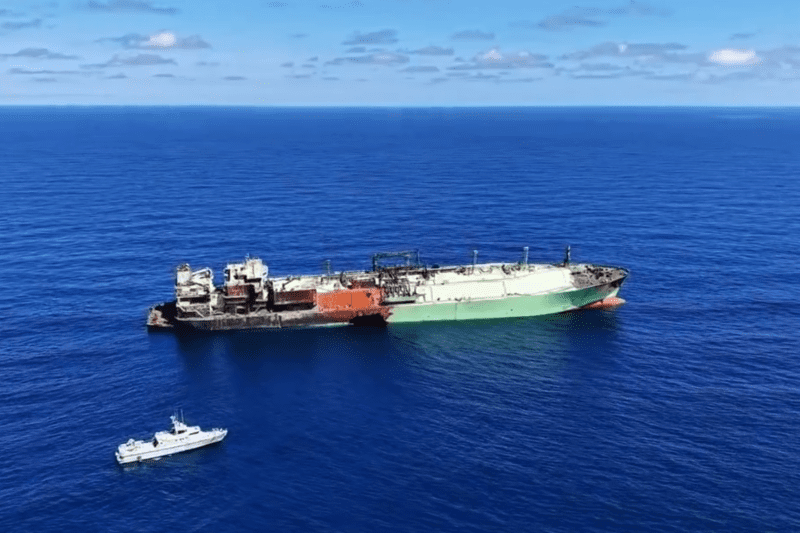
The burnt-out Russian LNG carrier Arctic Metagaz has been anchored off Libya’s eastern coast, potentially ending a two-month drift across the central Mediterranean, though uncertainty remains over how authorities will handle the stricken vessel.
Satellite imagery and maritime tracking data show the tanker holding position roughly 18 nautical miles north-northeast of Benghazi for several days, indicating Libyan authorities have succeeded in securing it after repeated failed towing attempts.
The development follows a chaotic period since early March, when the vessel was reportedly hit by a Ukrainian sea drone while transiting about 150 nautical miles southeast of Malta. The blast forced the crew to abandon ship and left the 277-meter tanker adrift with a hazardous cargo of liquefied natural gas and fuel onboard.
In the weeks that followed, Arctic Metagaz drifted through Maltese and Italian waters before entering the Libyan search and rescue zone, at times raising alarm over risks to offshore oil infrastructure and environmentally sensitive coastal areas.
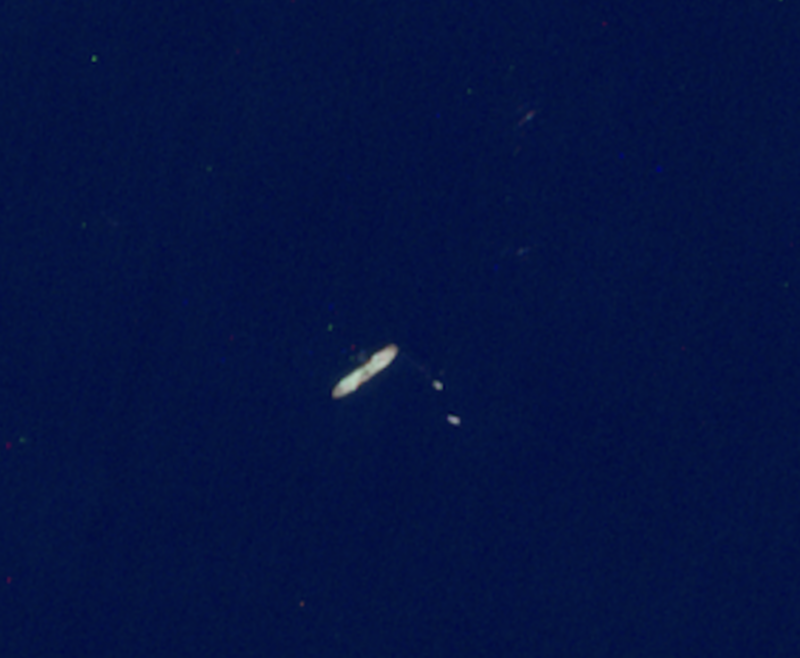
Libyan personnel made multiple attempts to tow the vessel away from the coastline, but operations were repeatedly hampered by technical failures and rough weather. Tow cables snapped on several occasions, including on April 22 that left the tanker once again drifting uncontrolled about 120 nautical miles north of Benghazi, according to an official navigational warning.
The vessel was temporarily abandoned during these operations, most recently on April 23, the notice said, underscoring the difficulty of stabilizing the damaged carrier.
“Completely out of control and adrift,” the bulletin warned at the time, adding that the tanker posed “an environmental and navigational hazard” and requiring ships to keep a minimum distance of five nautical miles.
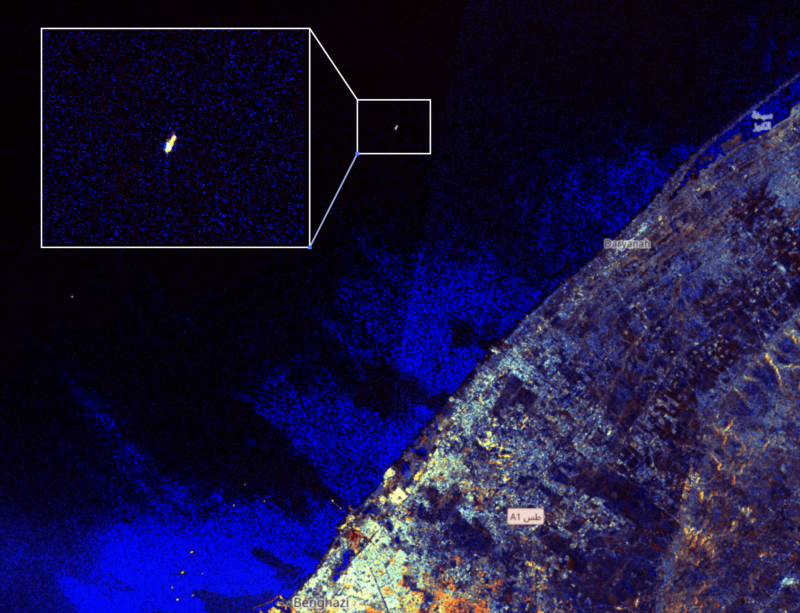
By April 28, however, a Libyan harbor tug had managed to anchor the vessel offshore, according to sources familiar with the operation and updates shared with European institutions. Sentinel-1 satellite images from April 30 confirm the tanker’s stationary position about 8 nautical miles northwest of Daryanah and 18 nautical miles north-northeast of Benghazi.
Libya’s National Oil Corporation has indicated that much of the remaining gas onboard may have leaked, potentially reducing immediate risks, while plans are being prepared to extract residual diesel fuel and transfer it to another vessel.
Even so, significant questions remain over the vessel’s condition and the safety of the anchoring operation. The tanker has endured weeks of storms and structural stress, and it is unclear whether comprehensive inspections have been carried out.
Control of the operation now appears to rest with authorities in eastern Libya, raising further uncertainty about coordination and technical capacity for a long-term solution.
The Arctic Metagaz incident has also had wider repercussions for Russian energy shipping. Since the explosion, Russia has rerouted its shadow fleet of LNG carriers away from the Mediterranean, opting instead for longer voyages around southern Africa to avoid potential security threats.
For now, while the tanker’s anchoring marks a pause in its drift, it remains a potential environmental hazard – and a legally complex salvage case with no clear resolution in sight.

Sign up for gCaptain’s newsletter and never miss an update