Fresh gas and condensate find pops up in Egyptian ...
2 hours ago

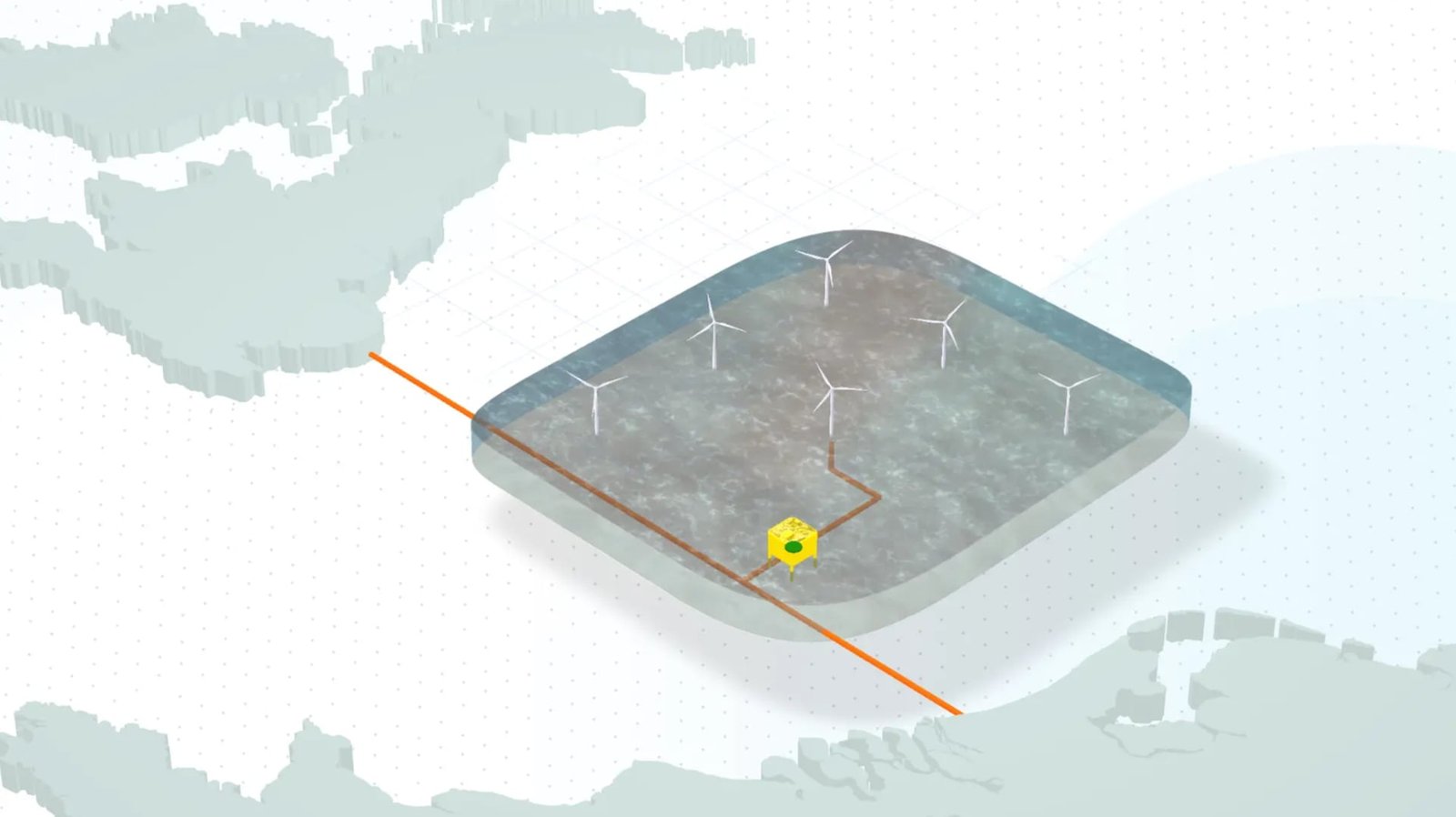
The Netherlands will introduce a new offshore electricity bidding zone for wind farms that will be linked to the planned 1.8 GW LionLink hybrid interconnector, which will connect the Dutch and UK grids.
The LionLink project was launched in April 2023 and is led by the countries’ transmission system operators (TSOs), TenneT and National Grid. At the beginning of 2025, LionLink was included in the Dutch Offshore Wind Energy Development Framework, while in the UK, National Grid applied for the electricity interconnector with the UK energy market regulator Ofgem. The TSOs recently signed a joint development agreement (JDA), which sets out how they will develop LionLink towards a final investment decision (FID), including arrangements on procurement, governance, and planning.
The new offshore bidding zone in the Netherlands will apply to the Nederwiek 3 wind farm sites (Nederwiek 3a and 3b), which will connect to TenneT’s offshore platform that will also be connected to LionLink.
The decision for the new bidding zone was formalized in a parliamentary letter from Stientje van Veldhoven-van der Meer on March 31, the Dutch Minister of Climate and Green Growth.
By creating a separate offshore market zone, the Dutch government aims to address structural congestion, in line with EU recommendations that bidding zones should not contain persistent congestion.
“In the case of the LionLink project, structural congestion will occur on the connection between the offshore platform and the Dutch coast. TenneT demonstrated this in a report that was approved by the Authority for Consumers and Markets (ACM) on 25 March 2025,” the Minister says in the letter.
“EU legislation and regulations stipulate that bidding zones must not contain structural congestion. Realisation of LionLink within the current Dutch bidding zone would therefore not be in accordance with these regulations. The predicted structural congestion can be addressed by establishing a new offshore bidding zone, also known as an ‘offshore bidding zone’.”
The Netherlands currently has one bidding zone, and the new zone will function independently from the existing one, with its own price formation mechanism.
The average electricity price in the new bidding zone is expected to be lower on an annual basis than the price in the existing Dutch bidding zone, as there will be no demand for electricity in the new bidding zone. Therefore, the future wind farms in the Nederwiek 3 area are expected to generate lower revenues compared to wind farms that are part of the existing bidding zone, according to the letter.
Nevertheless, the realisation of LionLink, including the establishment of a new bidding zone, yields a substantially positive societal result, the Minister states, explaining that the project will generate revenue for TenneT that can contribute to lower grid tariffs and strengthen the security of electricity supply. Furthermore, the interconnection line is combined with the offshore wind export cable landing, meaning a single landing site will be used for both purposes, limiting the pressure on scarce landing space and reducing investment costs for TenneT, according to the Minister.
Considering this together with the impact of anticipated lower revenues on the business case for the wind energy projects in the new bidding zone, the Minister indicated that there may be financial support for the Nederwiek 3 offshore wind farms, which was welcomed by the Dutch wind energy trade association NedZero.
“In this decision, the cabinet has listened carefully to the concerns raised by the market about the impact of a separate bidding zone on the business case for offshore wind energy,” said André Craens, Offshore Wind Sector Specialist at NedZero.
The Minister says that a form of price certainty is necessary for the development of offshore wind farms, given the current market conditions, but that any additional subsidies will depend on future electricity demand, prices, and production costs. These subsidies will be drawn from the offshore wind reserve in the coalition agreement, though this may create pressures on the rollout, according to the letter. Before the tender, the Netherlands Environmental Assessment Agency (PBL) will advise on the maximum bid, guiding the required budget.
A new offshore wind roadmap is expected by year-end, detailing progress toward national wind targets, the Minister noted.

Take the spotlight and anchor your brand in the heart of the offshore world!
Join us for a bigger impact and amplify your presence at the core hub of the offshore energy community!