Worley embarks on more FEED work for Cypriot gas d...
1 hour ago

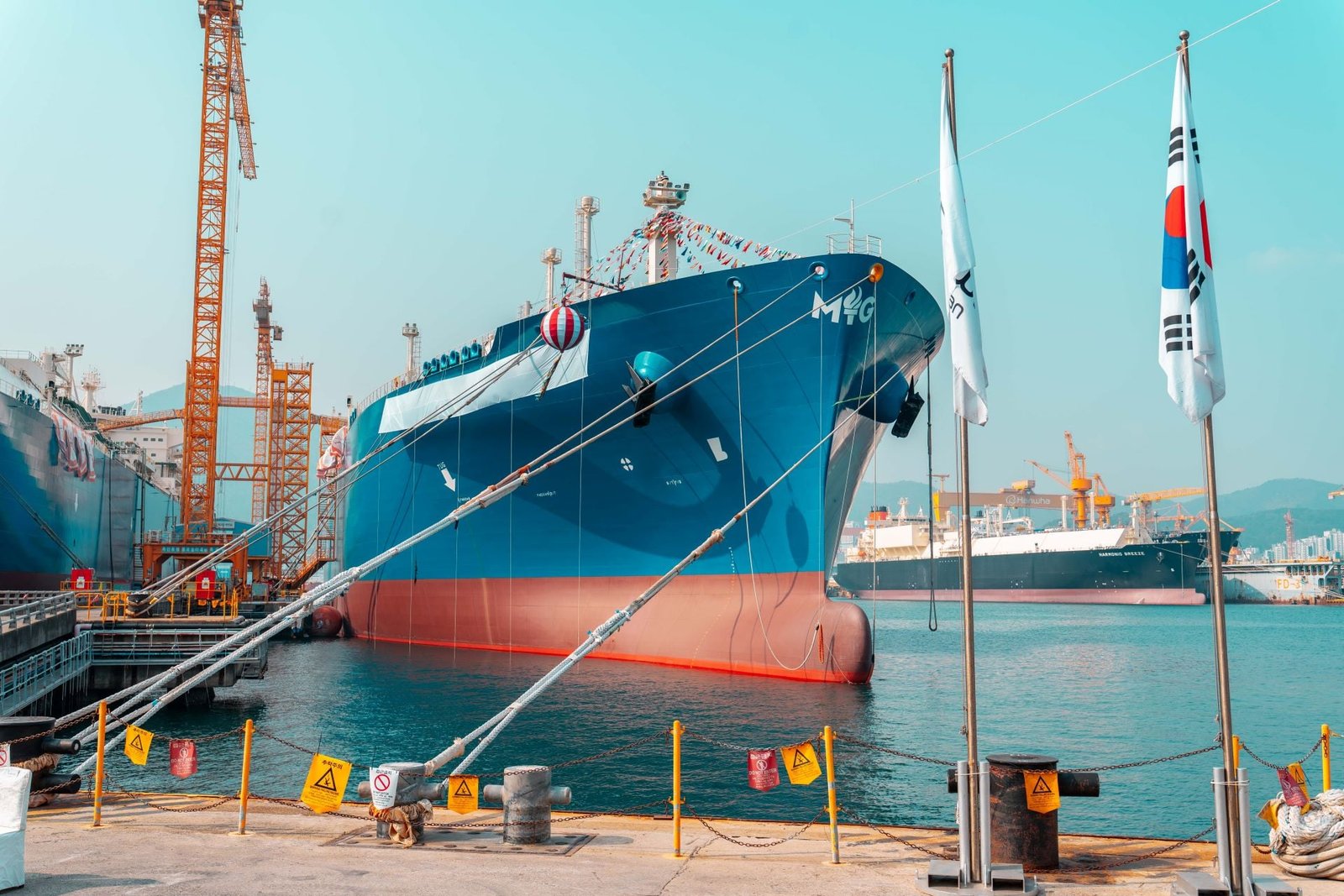
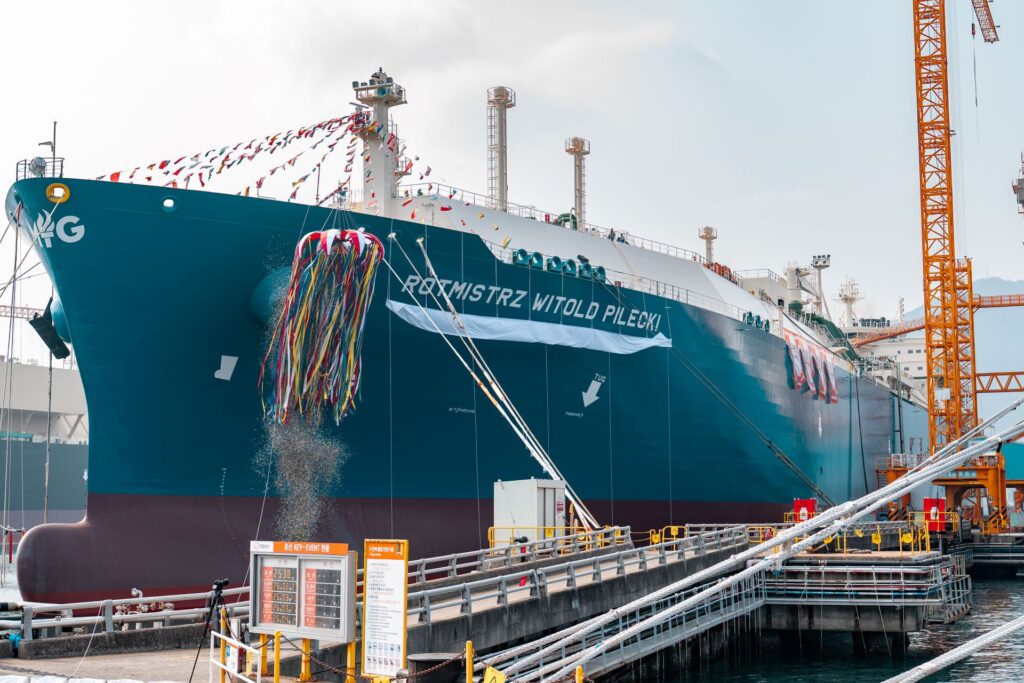
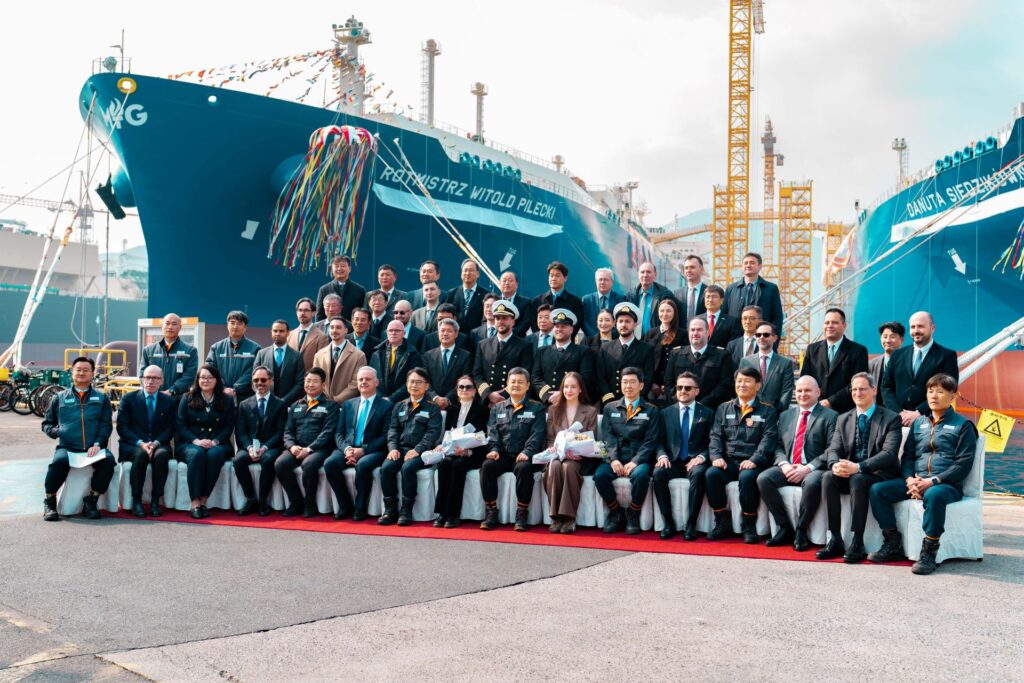
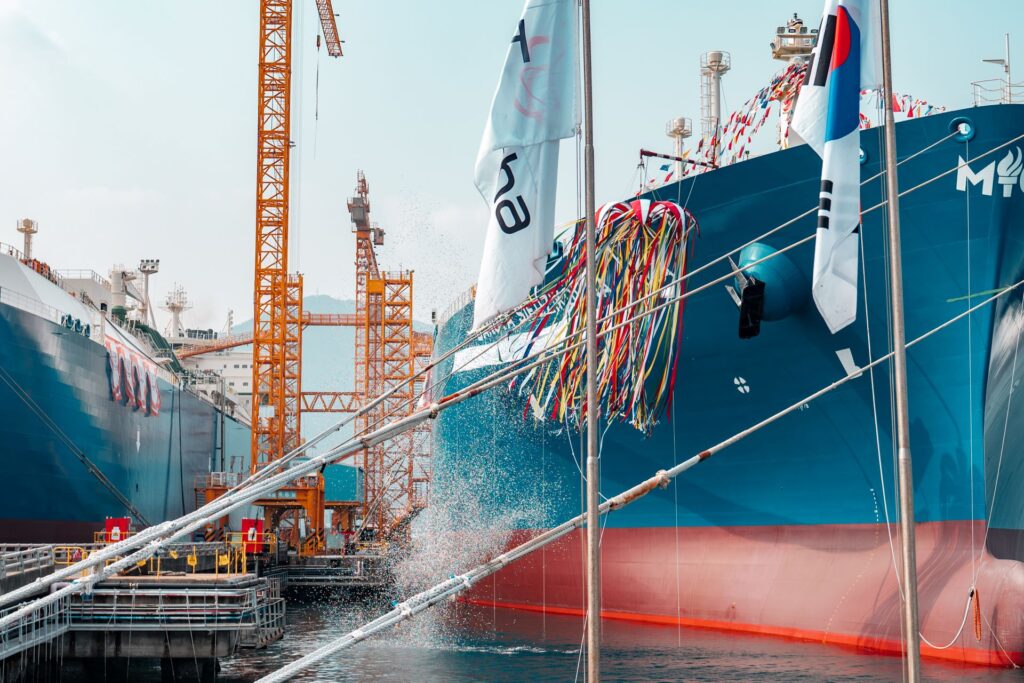
South Korea’s Hanwha Ocean shipyard has held a naming ceremony in Geoje for two liquefied natural gas (LNG) vessels, which will enrich the LNG carrier fleet of Poland’s Orlen Group.
The vessels, Danuta Siedzikówna-Inka and Rotmistrz Witold Pilecki, were named by their godmothers, Renata Rosiak, Executive Director at Orlen, and pianist Zuzanna Sejbuk. These ships have been designed to call at the majority of LNG terminals worldwide, which ensures a high degree of operational flexibility. The charter period is ten years, with an option to extend.
While announcing the LNG vessel debut, Orlen explained that these additions expand its capacity to transport liquefied natural gas. The firm is adamant that the ships will enhance the stability and flexibility of gas deliveries to Poland and strengthen the region’s energy security.
According to the Polish player, each new ship can deliver enough gas in a single voyage to supply as many as two million households, as each has a capacity of 174,000 cubic meters (cbm) of LNG and can transport approximately 70,000 tonnes of liquefied gas per voyage, equivalent to around 100 million cubic meters (cbm) of natural gas after regasification – roughly the amount consumed by all Polish households in an average week.
Ireneusz Fąfara, President of Orlen Management Board, commented: “ORLEN is investing continuously in the energy security and independence of both Poland and the wider region. We are developing not only our own production, with successful exploration campaigns both domestically and on the Norwegian Continental Shelf, but also expanding our trading capabilities by growing our fleet.
“Each additional carrier enhances the flexibility of LNG transport to Poland and enables us to ensure stable supplies for Polish consumers and all our customers, while strengthening the energy security of the entire region.”

The Polish company elaborates that each carrier of this size can deliver the equivalent of close to 1 TWh of energy after regasification, which represents approximately 0.5–0.6% of Poland’s annual natural gas demand. In a single year, one vessel can make 8–9 voyages on the U.S.–Europe route, providing transport capacity of 8–9 TWh of gas per annum.
These LNG carriers are said to incorporate advanced technologies to improve operational efficiency, including a reliquefaction system, which recovers LNG that evaporates during transit, and integrated power management. The engines can run on both natural gas and diesel, ensuring compliance with future environmental standards for maritime transport.
With the addition of the new vessels, Orlen’s LNG carrier fleet numbers eight ships, which enlarges the company’s LNG transport logistics capabilities. The firm’s own fleet allows it to fulfil a substantial portion of contracted deliveries without relying on third-party tonnage, which translates into enhanced operational flexibility and efficiency.
While emphasizing that the development of LNG transport is a key element of Orlen’s strategy under which gas is to serve as a transitional fuel in the energy transition, with consumption in Poland potentially rising to 27 billion cbm per year over the next decade, the Polish player highlights that its capital expenditure program, of which securing LNG supplies is a central component, is designed to meet this challenge.
This is backed by the Świnoujście terminal, which set a record last year, as the Orlen Group received 81 LNG cargoes, 20 more than the previous year. The total volume of LNG imported by sea came to nearly 6 million tonnes, 30% higher than the year before. The company is also expanding its presence on the global LNG market.
To this end, the firm has already made deliveries to Japan, China, Thailand, Egypt, and terminals in Western Europe. The new carriers are expected to enhance its logistics capabilities and enable even more active participation in global LNG trade, as Orlen works to strengthen its gas reception capacity in the region.
The Polish firm uses capacity at the FSRU terminal in Klaipėda, from which regasified gas is transported to Poland via the Poland–Lithuania interconnector, with some volumes also directed to the Baltic states’ markets.
As domestic infrastructure is being developed, Orlen has booked the entire regasification capacity of the floating LNG terminal in Gdańsk Bay, which amounts to 6.1 billion cbm of gas per year. Once the facility is operational, the number of LNG cargoes received by the firm could increase by as many as 58 per year.

Take the spotlight and anchor your brand in the heart of the offshore world!
Join us for a bigger impact and amplify your presence at the core hub of the offshore energy community!