Wärtsilä: All-Time High Operating Result And Cash ...
1 week ago

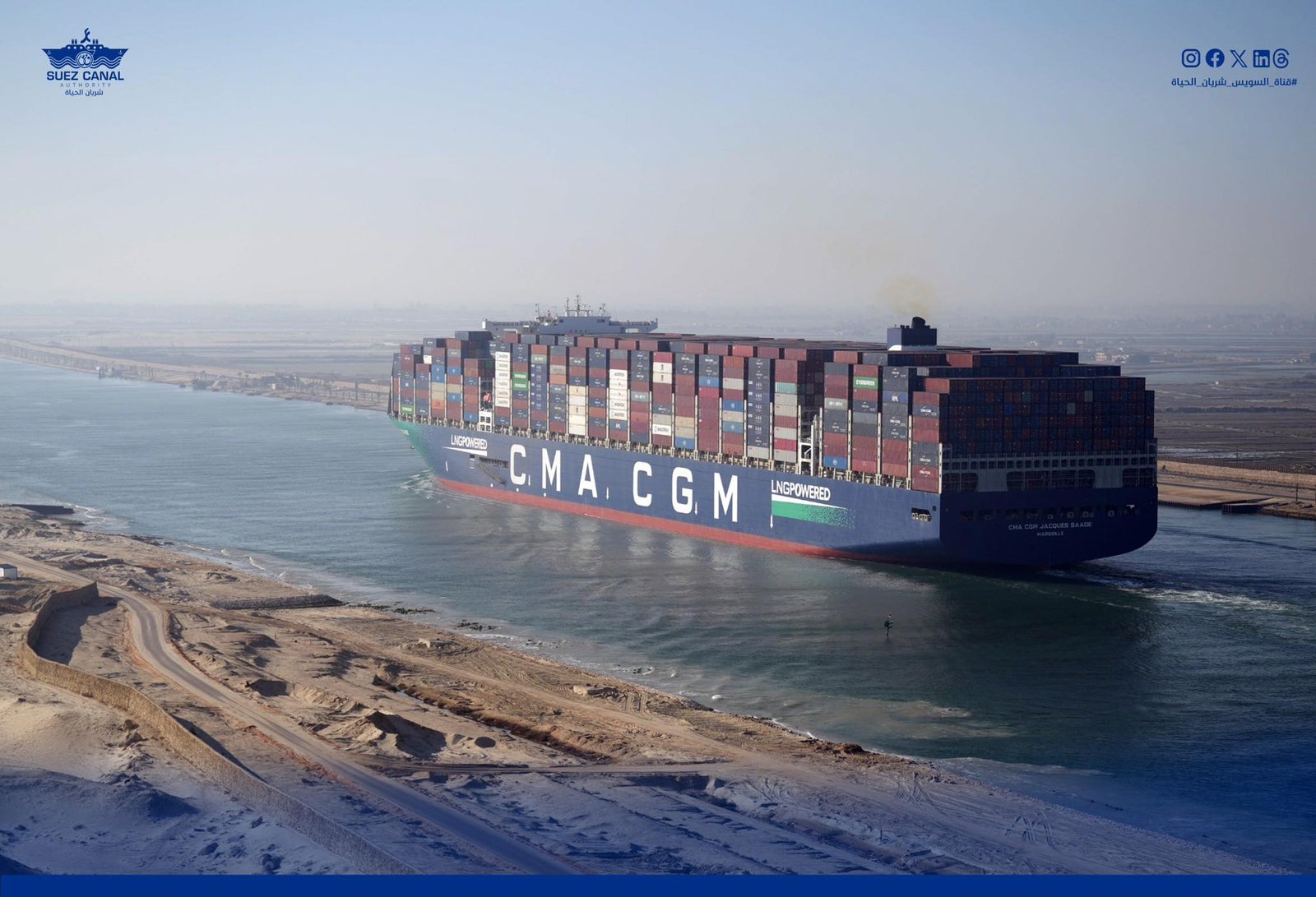
After nearly two years of disruption, ships from two of the world’s biggest container lines are once again sailing through the Suez Canal—a small but meaningful step toward restoring one of global trade’s most important shortcuts.
On Tuesday, the CMA CGM Jacques Saade, one of the largest container ships ever built, transited the canal southbound on its voyage from Morocco to Malaysia. Stretching 400 meters long and capable of carrying 23,000 containers, the LNG-powered giant is the biggest containership to use the Suez route in the past two years. The CMA CGM Adonis, with a capacity of over 15,500 TEUs, also made a northbound transit.
The transits comes just days after the Singapore-flagged, 6,500-TEU Maersk Sebarok sailed northbound after successfully passing through the Bab el-Mandeb Strait, marking the first Maersk containership to return to the route in nearly two years. The vessel is traveling from Oman’s Port of Salalah to the United States.
For Egyptian officials, the moment was a long-awaited vote of confidence. “The return of major shipping lines is the result of the Suez Canal Authority’s intensive marketing efforts over the past period,” said Admiral Ossama Rabiee, chairman and managing director of the authority.
Last month, Admiral Rabiee visited the CMA CGM Jules Verne, a 396-meter vessel with a capacity of 16,020 TEUs, during its northbound transit. At the time, the vessel was the largest to transit the waterway since the crisis began.
The transits could signal a turning point for an industry rattled since late 2023, when Yemen’s Houthi movement began attacking commercial vessels in the Red Sea, citing solidarity with Palestinians during the Gaza war. The campaign forced most major carriers to abandon the Suez route and divert ships around Africa’s Cape of Good Hope—adding weeks to voyages and driving up freight rates.
Since October 2023, Houthi forces have targeted more than 100 merchant vessels, sinking four, seizing one, and killing eight seafarers. Traffic through the Red Sea plunged by about 60% as shipping companies sought safer—but far longer—routes.
Conditions began to improve after a fragile Gaza ceasefire took hold on October 10. With no new attacks reported since, shipping lines have started reassessing the Suez Canal, which before the crisis handled roughly 12% of global seaborne trade and remains the fastest link between Asia and Europe.
Last month, the Suez Canal Authority reported the highest monthly rate of returning vessels since the crisis began, with 229 vessels returning to the waterway. Canal traffic statistics from July to October 2025 recorded 4,405 vessels transiting with a total tonnage of 185 million tons, compared to 4,332 vessels with 167.6 million tons during the same period in 2024.
CMA CGM, the world’s third-largest container carrier, has moved fastest. According to schedules published on its website, the company plans to resume using the canal for its India–U.S. INDAMEX service starting in January.
Maersk, by contrast, is proceeding carefully. While the company’s Maersk Sebarok completed the successful Red Sea transit on December 18–19 using what it described as “the highest possible safety measures,” it said there are no firm plans to fully reopen the route and emphasized a gradual, step-by-step approach.
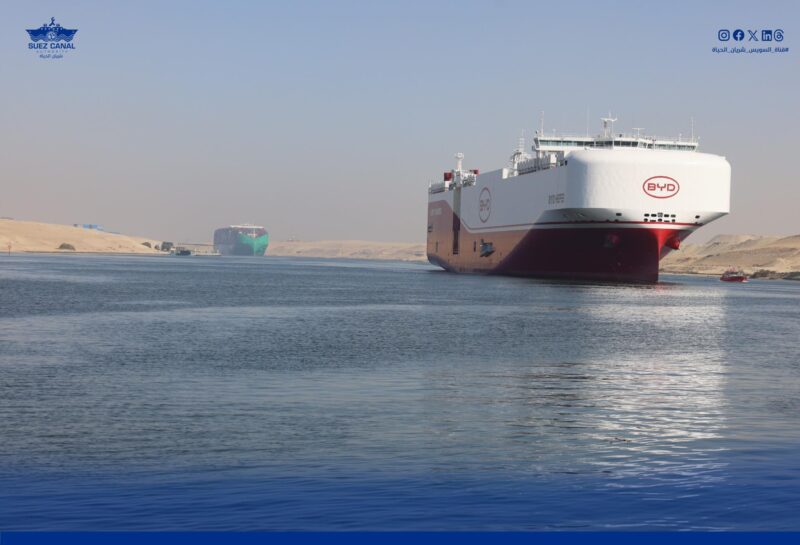
Admiral Rabiee said the return of these vessels could have a “profound impact” on global shipping markets and urged other carriers to follow suit by adjusting schedules and resuming Red Sea voyages. He predicted that canal traffic will continue to recover next year, with volumes returning to normal levels by the second half.
Still, challenges remain. Elevated war-risk insurance premiums continue to deter many shipowners, and security analysts warn that while the threat has eased, it has not disappeared. The Houthis’ suspension of attacks has reduced risk—but hasn’t eliminated it.
The stakes are especially high for Egypt, which relies heavily on Suez Canal tolls as a source of foreign currency. The prolonged downturn has forced authorities to aggressively court shipping lines in an effort to rebuild confidence in the route.
For the global shipping industry, the return of CMA CGM and Maersk vessels is a real-world test. If security holds and more carriers rejoin the route, it could mark the beginning of the end of one of the most disruptive episodes in modern maritime trade.

Sign up for gCaptain’s newsletter and never miss an update