Wärtsilä: All-Time High Operating Result And Cash ...
1 month ago

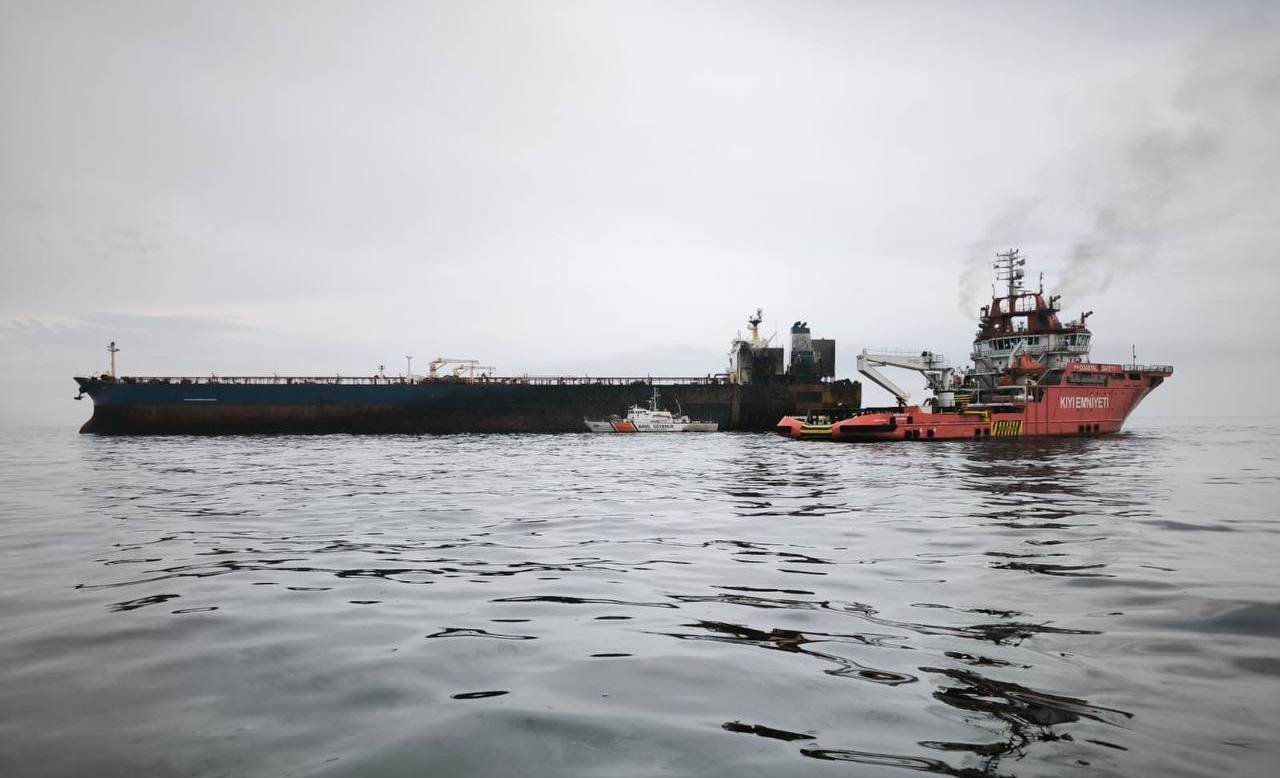
The International Transport Workers’ Federation has condemned recent attacks on vessels operating in the Black Sea following the third Ukrainian sea drone strike on a Russian shadow fleet tanker, warning that civilian seafarers must never be treated as targets in conflict.
A tanker transiting Ukraine’s exclusive economic zone en route to Novorossiysk was struck and disabled by Ukrainian sea drones in what is believed to be the third such incident in recent weeks involving vessels described as part of Russia’s “shadow fleet.” The attacks follow similar strikes on the tankers Kairos and Virat on November 28 and 29.
“Seafarers are not a weapon of war,” said Mark Dickinson, Vice Chair of the ITF Seafarers’ Section and General Secretary of Nautilus International. “They are civilians simply doing their jobs, often in extremely difficult and precarious conditions.”
While the ships involved may be linked to sanctions evasion or wider geopolitical tensions, the ITF stressed that civilian crews onboard are not participants in conflict. Many are multinational seafarers working under difficult conditions, often with poor pay and weak protections, the organization said.
Dickinson highlighted the vulnerability of crews working under the Flag of Convenience system, where shipowners register vessels in countries without genuine oversight. “That leaves them with little real power to refuse dangerous voyages, and often without clear information about where a ship is bound or the risks involved,” he said.
The ITF warned that crews working on vessels without strong regulatory frameworks face heightened exposure to exploitation and unsafe working conditions—risks that are compounded when conflict spills into commercial shipping routes.
“Many of these seafarers are already working at the sharp end of an industry that too often fails them,” Dickinson said. “That vulnerability cannot be used to excuse violence. No political or military objective justifies endangering civilian crews.”
Since the start of the Russia–Ukraine war, the Black Sea has been transformed into an active danger zone for merchant shipping, where civilian seafarers face the real and ongoing threat of mines, drones, and missile strikes. The attacks have sent shockwaves through the maritime industry, with war insurance costs for ships sailing to the Black Sea spiking dramatically.
Russian President Vladimir Putin has responded with sharp threats, warning that Moscow will intensify strikes on Ukrainian facilities and vessels.
The shadow fleet—a collection of aging tankers often with opaque ownership structures—has become central to Russia’s efforts to circumvent Western sanctions on its oil exports. Ukraine’s targeting of these vessels represents a strategic effort to disrupt this trade route and apply economic pressure on Moscow’s war effort.
The ITF reiterated its call on all parties to conflicts to uphold international humanitarian and maritime law, to de-escalate tensions, and to take all necessary steps to safeguard civilian seafarers.
“Seafarers keep global trade moving, even during times of war and crisis,” Dickinson said. “They must not be treated as expendable or as collateral damage. The ITF condemns any attack that harms or endangers seafarers anywhere in the world, and we will continue to speak out until their safety is fully respected.”
The ITF continues to monitor the situation closely and stands ready to support any seafarers affected by incidents in the Black Sea or other conflict-affected waters.
Sign up for gCaptain’s newsletter and never miss an update