Wärtsilä: All-Time High Operating Result And Cash ...
1 month ago

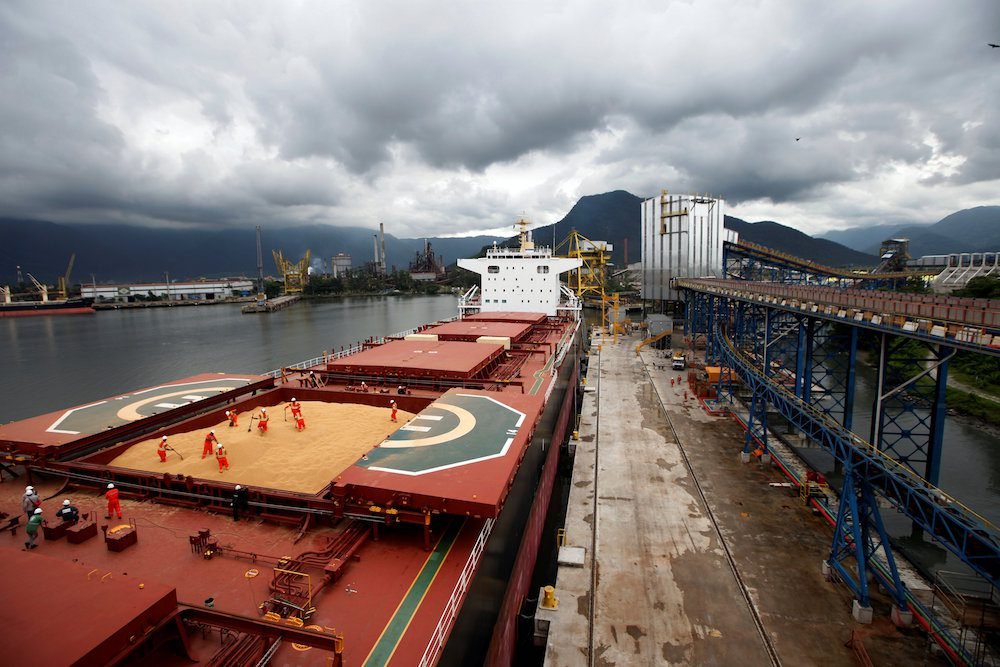
By Hallie Gu (Bloomberg) — China, the world’s largest soybean importer, has ramped up orders for Brazilian cargoes of the oilseed after meeting an initial shipment volume from the US as part of a trade truce with Washington.
In the past week, importers have booked at least 25 cargoes of the beans for loading mainly in March and April, driven by margins, according to traders with knowledge of the deals. At the same time, state-owned companies have appeared to refrain from taking US cargoes, said the people, who declined to be named as they were not authorized to talk to the media.
Soybeans emerged as a key point of contention in US-China trade relations, with Beijing initially shunning American cargoes as their ties soured, before agreeing to take shipments as part of a wider rapprochement. China has purchased about 12 million tons of US soybeans in the last three months, meeting a commitment outlined by the Trump administration in November.
“It makes complete sense to step up purchases of Brazilian soybeans after meeting the US pledge,” said Meng Zhangyu, an analyst at Wuchan Zhongda Futures Co. “Brazilian supplies are much cheaper.”
US soybeans delivered to China on a cost-and-freight basis are at steep premium over comparable Brazilian beans for February, according to the traders. That means crushing them would incur heavy losses, they said.
Over the longer term, the US said China has committed to buying at least 25 million tons of US soybeans annually through 2028, and the nation may come back for more American cargoes later this year.
“As long as the agreed trade-deal framework reached between China and the US gets implemented smoothly, China should be able to carry out the agreement and continue to buy US soybeans,” said Hanver Li, chief analyst at Shanghai JC Intelligence Co., a China-based commodity consultancy.
“Even if this means sacrificing some economic interests, China can meet its targets for the next three years,” through measures like managing reserves, Li added.
Beijing has not confirmed the soybean target, but it has reduced tariffs and lifted import bans on three American exporters. Still, US shipments still face levies of about 13%, according to traders, and a further reduction may be needed for private crushers to join the next possible wave of US bean-buying.
The amount of ships scheduled to load soybeans to China in the coming months from Brazil is roughly in line with the pace of business from previous seasons, said Arthur Neto, commercial director at shipping agency Alphamar.
“It signals China hasn’t reduced business with Brazil, despite US negotiations,” Neto said.
Beneficial weather during of the peak growing season in Brazil prompted the US Department of Agriculture earlier this month to raise its estimate for the country’s soy harvest to a new record.
Meanwhile in the US, record-low temperatures and winter storms in recent days have snarled shipments of barges, trains and trucks, raising costs to get soybeans to port. Bids for soybean barges bound for New Orleans this week climbed to the highest since 2024.
Soybean futures in Chicago were up as much as 0.7% to $10.695 a bushel.
© 2026 Bloomberg L.P.
Sign up for gCaptain’s newsletter and never miss an update