ENGINE: Europe & Africa Bunker Fuel Availabil...
2 hours ago

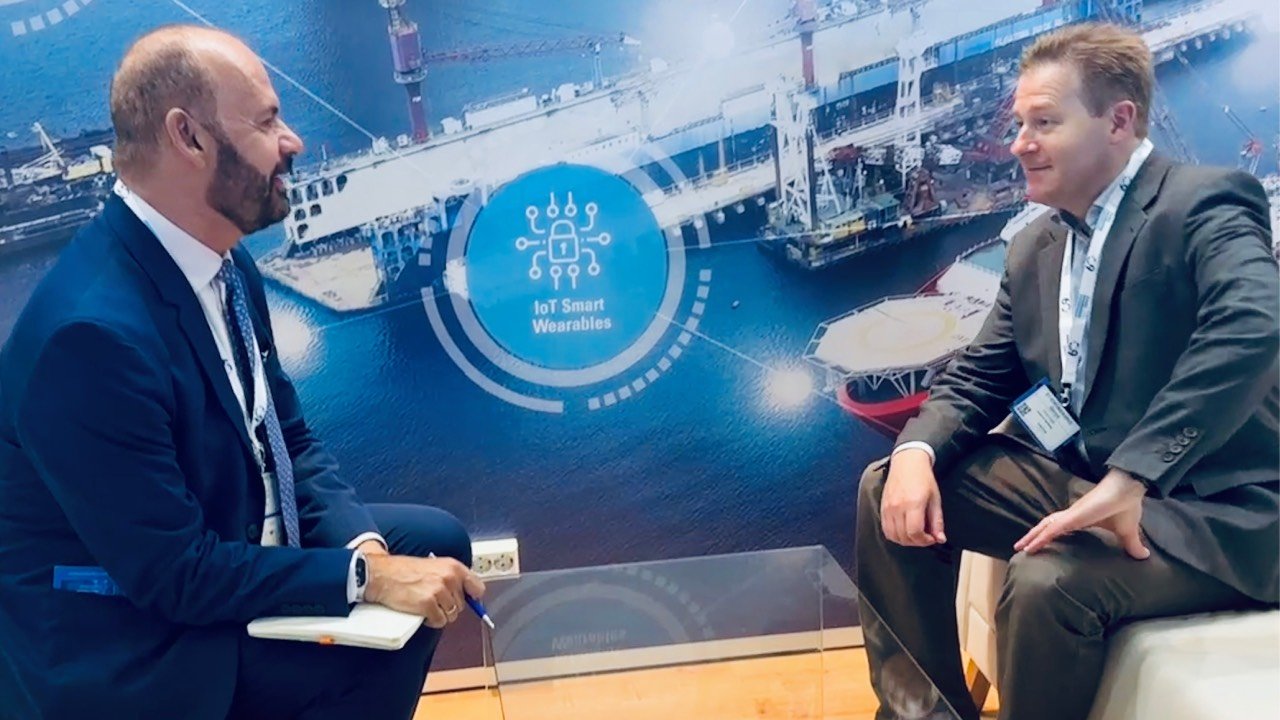
Interview with Chris Insall head of mobility business development – ST Engineering iDirect
Can you tell us about your role at ST Engineering iDirect and how it connects to the maritime industry’s evolving mobility needs?
There’s a shift toward software, automation, and consumption-based models. iDirect is building more flexible, scalable platforms to support that. Pace of change is now faster than ever – new business models, orbits, and services. It’s about rethinking the user experience, the business models and ecosystem, not just improving products. iDirect is helping customers navigate and thrive in that transformation.
How has demand for maritime connectivity evolved over the past few years, particularly with the rise of digital transformation in shipping?
Over recent years, maritime connectivity demand has transformed significantly, primarily due to digital advancements in shipping. Key factors include the rapid growth of LEO constellations, with providers like Starlink and OneWeb creating unprecedented capacity through thousands of new satellites. Vertically integrated business models are challenging would-be customers by delivering direct end-user services promising the scale and reliability necessary for enterprise businesses. Meanwhile, all orbital layers are seeing innovations, such as high-throughput, software-defined satellites in MEO and GEO, which enhance flexibility and scalability.
The rise of sovereign constellations has fueled defence investments, with nations prioritizing secure and independent communications. Additionally, capacity is scaling across the satellite ecosystem, with HTS alone anticipated to grow ninefold by 2031 according to analysts (Analysis Mason). Lower costs, enabled by reusable rockets and sharp declines in bandwidth prices, have further accelerated this shift, offering broader access to affordable, high-speed connectivity across both commercial and government sectors.
What are the key challenges that ship operators face today in ensuring reliable and high-speed connectivity at sea, and how is iDirect addressing them?
Ship operators face a myriad of challenges today in maintaining reliable, high-speed connectivity at sea. These include the complexity and expense of hardware-heavy systems, inconsistent network performance in challenging maritime environments, increasing bandwidth demands, and the growing threat of cyberattacks. Adapting to rapid technological change also makes scalability and flexibility vital for long-term success.
iDirect is addressing these issues with innovative solutions such as Intuition, our new ground system with a cloud-native architecture that minimizes hardware dependence. We are innovating across AI, analytics, and automation to enhance network efficiency, adaptability and decision-making by predicting and mitigating potential issues before they affect performance. Smart monitoring tools and predictive analytics ensure reliable operations and optimize resource usage.
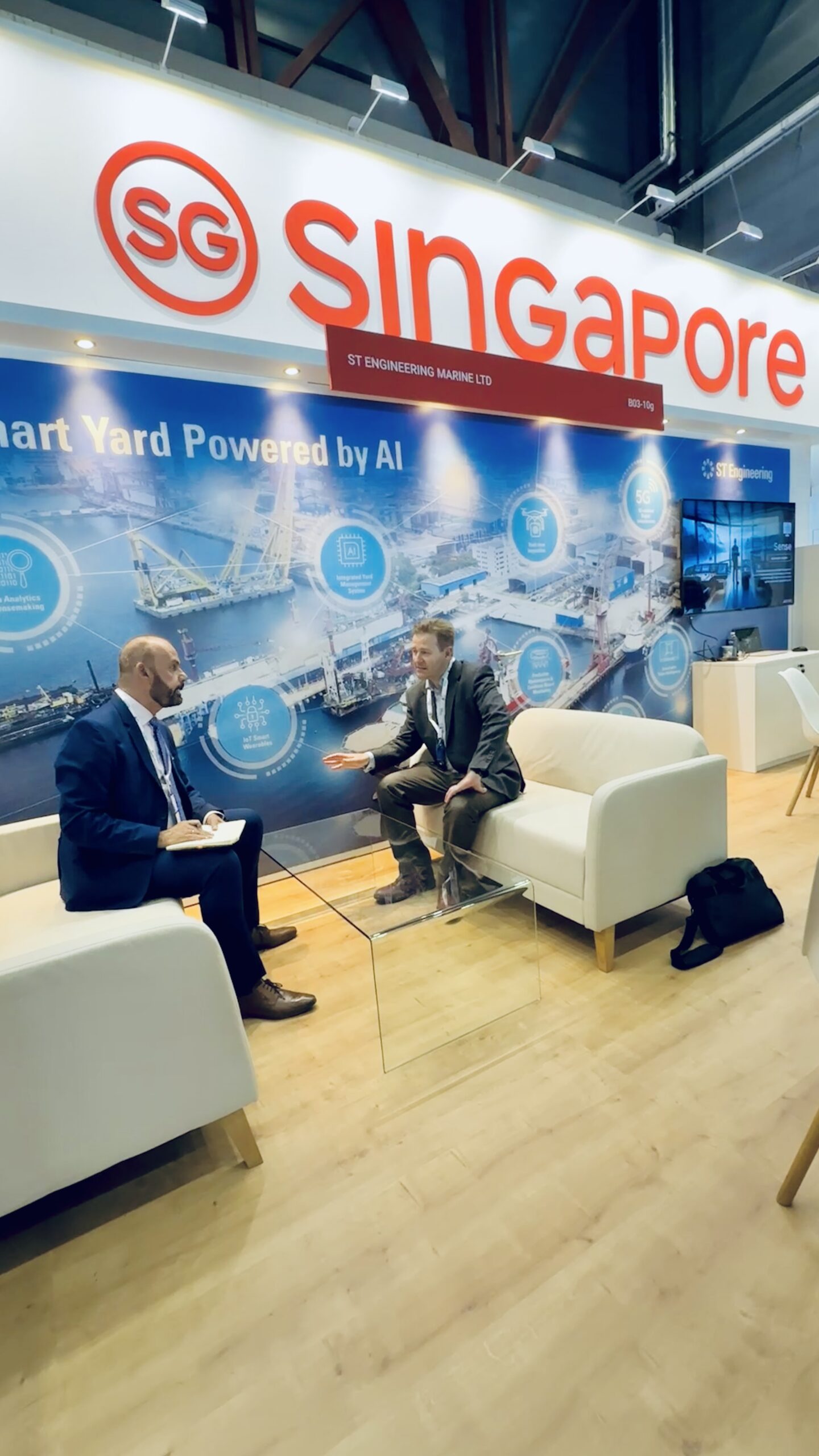
ST Engineering iDirect plays a major role in enabling satellite communications. How does your technology support operations, crew welfare, and compliance at sea?
We recommend to our customers three core pillars to stay competitive: adopting cloud-native architectures, leveraging multi-orbit solutions, and ensuring seamless interoperability through standardization.
We are implementing cloud-native solutions to boost scalability, resiliency, and cost efficiency. Hybrid deployments across public and private clouds provide the flexibility needed to address diverse customer requirements while simplifying upgrades and service rollouts.
Our multi-orbit technology can use a single modem and antenna to track satellites on HEO, GEO, MEO, and LEO orbits. This strategy will broaden a customer’s service offerings and helps them reach new markets by combining the strengths of various orbital platforms.
By adopting 5G standards and interoperability between terrestrial and non-terrestrial networks, we, as an industry, are on the brink of providing seamless transitions without service disruptions. This is required to deliver advanced capabilities, including future innovations like 6G, ensuring robust and adaptable communication frameworks.
With new LEO and MEO satellite constellations coming online, how is the maritime connectivity landscape changing, and how is iDirect positioning itself in this new era?
We are embracing lessons from the telco model. Virtualization and cloudification were the last innovation waves, and many of our customers have an implementation plan for those technologies. 5G NTN is what comes next, and Intuition is designed to support that reality.
We’ve got a huge installed base of traditional satcom terminals in the market, so want to protect our customers’ investments while enabling their 5G NTN future. Intuition will bring those traditional satcom terminals into a 5G network, protecting earlier investment while enabling seamless roaming.
We also believe in the power of partnerships to help our customers navigate the multi-orbit environments. Relying on any single vertically integrated provider exposes enterprises to critical risks including limited flexibility, reduced support and scalability, limited interoperability, and service restrictions. Multi-orbit solutions use the unique strengths of NGSOs and GEO into a network that is best for the requirements.
What innovations or advancements can we expect from ST Engineering iDirect in the next 12–24 months for the maritime and mobility sectors?
ST Engineering iDirect is poised to introduce several significant innovations and advancements in the maritime and mobility sectors over the next 12 to 24 months. These initiatives target the growing need for high-performance, reliable, and scalable communication solutions, driven by the increasing adoption of advanced technologies.
Integrating satellite systems with the 5G core and supporting 3GPP standards-based services and roaming is essential to seamlessly extend the global telecommunications network. Users across the maritime and mobility domains can now expect hybrid roaming for seamless, high-speed connectivity between terrestrial and non-terrestrial networks.
The implementation of virtualization and cloud-based architectures, which is transforming operational scalability and efficiency. By leveraging software-defined infrastructure, service providers can dynamically allocate resources, adapt to fluctuating demands, and optimize network performance.
Automation and orchestration are being prioritized as critical mechanisms to enhance agility and operational efficiencies at scale. By deploying advanced tools and frameworks, ST Engineering iDirect aims to reduce manual intervention in network management, replacing this with automated workflows that minimize errors and accelerate response times.
Through AI-driven analytics, operators will gain unprecedented insights into network performance, traffic patterns, and potential bottlenecks. This capability not only enhances the ability to predict and preempt disruptions but also supports smarter decision-making regarding resource allocation and network optimization, particularly for users in challenging environments or with high mobility demands.
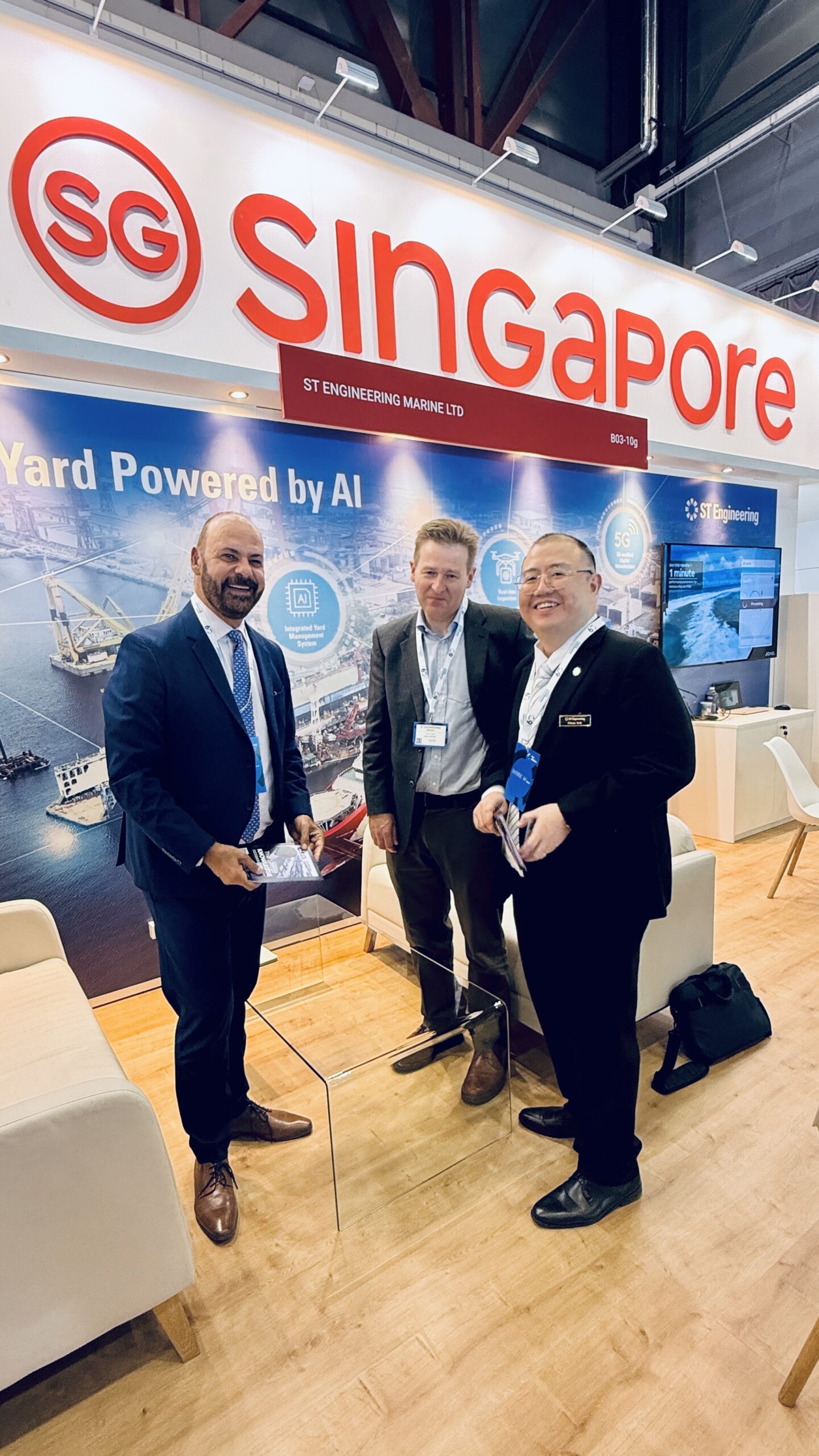
Finally, what message would you like to share with shipowners and operators who are considering upgrading their onboard connectivity systems?
Understanding the value of your connectivity partner is vital: iDirect is developing a multi-orbit architecture, supporting standards that foster 5G convergence for true hybrid roaming, and offering enterprise-grade solutions that are scalable and reliable.
A hybrid orbit configuration maximizes the strengths of GEO and LEO for different applications, ensuring high-availability for secure operations like oil platforms and low-latency for interactive applications. An open ecosystem supports cutting-edge innovation and future scalability through standardized, virtualized infrastructures, enabling integration of technologies like AI automation, edge computing, and upcoming advancements such as 6G.
Virtualized, cloud-native satcom networks seamlessly connect with terrestrial telco cores, allowing uninterrupted global roaming and enhanced resilience. Tailored support solutions ensure enterprises benefit from custom designs and centralized management, eliminating the limitations of in-house approaches tied to vertically integrated setups. Multi-orbit solutions guarantee network reliability, compliance with stringent SLAs, and sovereign access, unaffected by geopolitical issues.
A collaborative, diverse ecosystem distributes operational risks, promotes innovation, and adds value across the supply chain. This model empowers operators to thrive in the evolving global connectivity landscape, addressing gaps left by reliance on single providers, while enabling flexibility and long-term growth.