Wärtsilä: All-Time High Operating Result And Cash ...
2 months ago

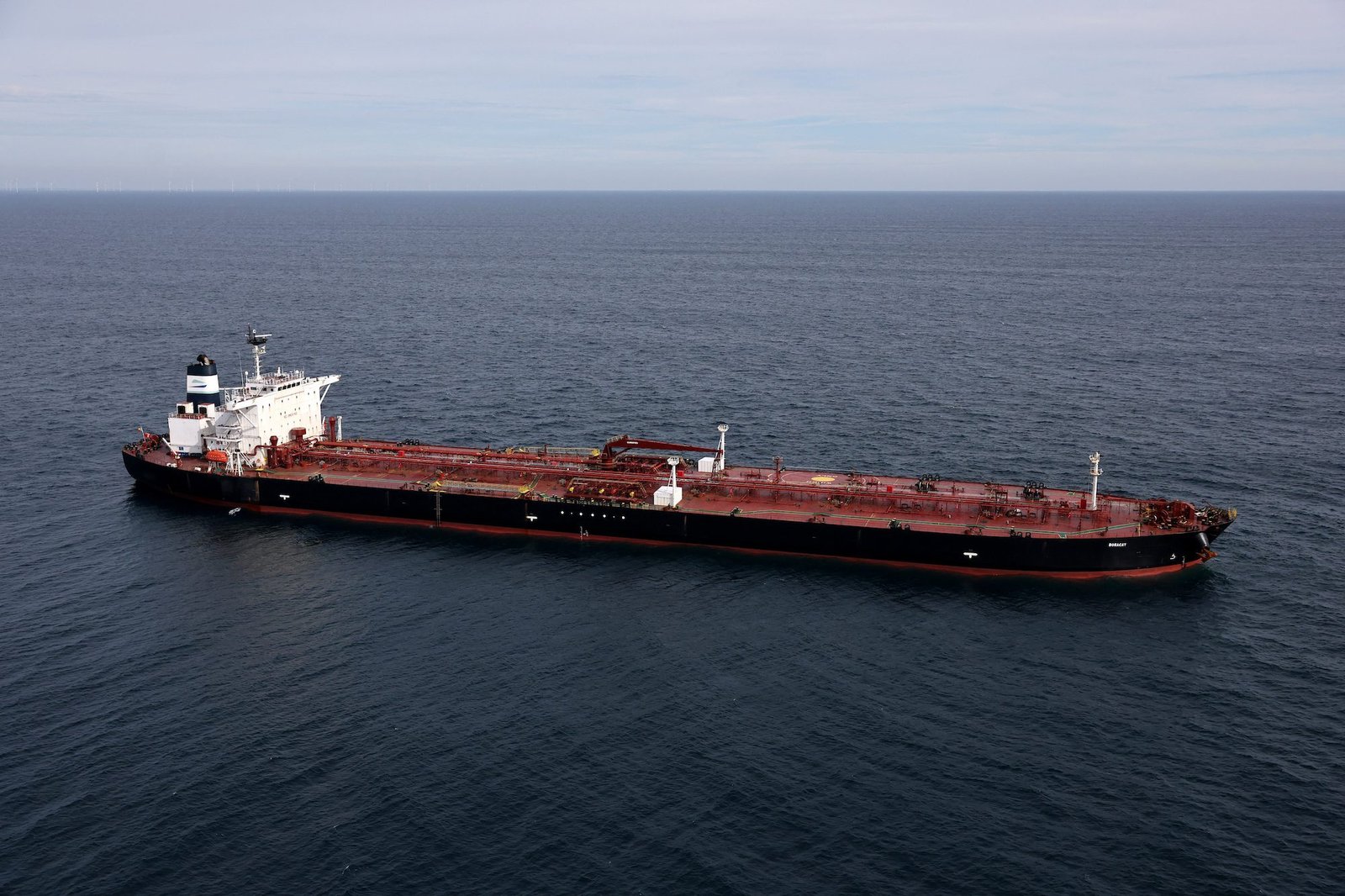
The European Union has imposed sanctions on 41 additional vessels belonging to Russia’s shadow fleet, marking a significant escalation in efforts to curtail Moscow’s ability to finance its ongoing war against Ukraine through oil revenues.
The sanctioned vessels now face port access bans and broad restrictions on maritime transport services across EU member states. This latest action brings the total number of designated vessels to nearly 600, underscoring the bloc’s determination to close loopholes in the G7’s oil price cap mechanism that Russia has exploited through its fleet of aging tankers.
The vessels fall into two primary categories under the sanctions framework. Five ships—MATROS KOSHKA, MIKHAIL NENASHEV, ZAID, MATROS POZYNICH, and ZAFAR—were designated for their involvement in transporting stolen Ukrainian grain and cultural goods from occupied territories. The remaining 36 vessels were sanctioned for transporting Russian crude oil and petroleum products while engaging in what EU officials describe as “irregular and high-risk shipping practices.”
Today’s vessel designations follow closely on the heels of sanctions imposed earlier this week against nine individuals and entities that facilitate shadow fleet operations. On December 15, the EU targeted five businessmen and four shipping companies for their roles in concealing the origin of Russian crude oil.
Among those sanctioned were Pakistani-Canadian businessman Murtaza Ali Lakhani, who controls vessels transporting Russian petroleum products, and executives from 2Rivers Group (formerly Coral Energy), including CEO Talat Safarov and shareholder Anar Madatli. The 2Rivers network has been identified as a major facilitator of Russian oil shipments, operating numerous vessels that deliberately obscure cargo origins.
The four designated entities include Nova Shipmanagement LLC-FZ and Citrine Marine SPC, both based in the United Arab Emirates, Vietnam’s Hung Phat Maritime Trading, and Russia’s SeverTransBunker Company Limited. These companies own or manage tankers that have been flagged by the EU and other jurisdictions for their role in Russia’s shadow fleet operations.
The sanctions carry significant consequences. Designated individuals and entities are subject to asset freezes, with EU citizens and companies prohibited from making funds available to them. Individuals face additional travel bans preventing entry or transit through EU member states.
According to the Council, all those sanctioned “are all involved in an economic sector providing a substantial source of revenue to the Government of the Russian Federation” and control vessels that transport crude oil or petroleum products while “concealing the actual origin of the oil” and practicing “irregular and high-risk shipping practices.”
The measures are part of a broader EU strategy that has expanded significantly since Russia’s invasion of Ukraine in February 2022. The sanctions aim to weaken Russia’s economic base, deprive it of critical technologies and markets, and curtail its ability to wage war.
The European Council has emphasized that “efforts to further limit Russia’s ability to wage war must continue, including by adopting further sanctions,” while reaffirming support for Ukraine’s independence, sovereignty, and territorial integrity.
The latest actions bring the total number of individuals and entities sanctioned in response to Russia’s military aggression against Ukraine to over 2,600. The EU has signaled it “remains ready to step up pressure on Russia and its shadow fleet value chain,” suggesting additional measures may be forthcoming.
The shadow fleet—consisting largely of older tankers with opaque ownership structures—has become a critical component of Russia’s efforts to circumvent Western sanctions and maintain oil export revenues despite the G7 price cap mechanism. These vessels often disable their automatic identification systems, engage in ship-to-ship transfers at sea, and frequently change flags and ownership to evade detection.
The EU’s decision is closely linked to recent commitments by member states to make full use of international maritime law frameworks relating to threats from the shadow fleet and the protection of critical undersea infrastructure.
Sign up for gCaptain’s newsletter and never miss an update