Full return to Red Sea route could be paused after...
2 hours ago

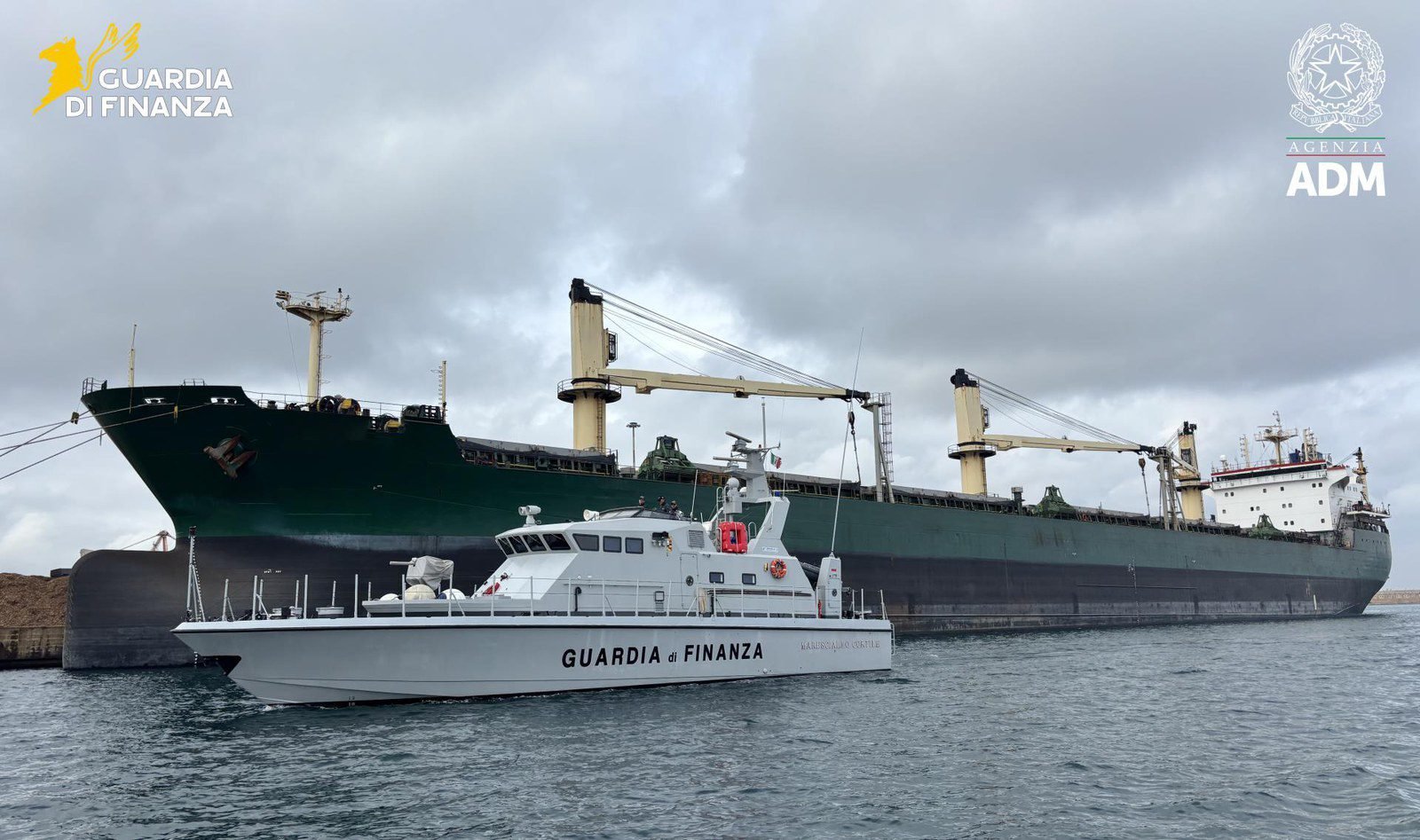
Italian authorities have seized a Tuvalu-flagged vessel carrying 33,000 tons of Russian iron in Brindisi, marking the latest enforcement action in Europe’s intensifying campaign against sanctions-evading ships.
The Hizir Reis was detained January 17 after investigators uncovered falsified documents and concealed port calls designed to hide the ship’s movements in Russian waters. Officials say the case shows how far operators are willing to go to keep sanctioned cargo moving—and how closely European authorities are now watching.
Italy’s Guardia di Finanza said the vessel arrived from the Black Sea with paperwork that failed to disclose a key stop in Novorossiysk, a Russian port subject to EU restrictions. A forensic review of the ship’s ECDIS electronic navigation system revealed the vessel had in fact operated there from November 13–16, 2025, where the iron cargo was loaded.
Investigators also determined the ship’s AIS transponder—the system that broadcasts a vessel’s identity and position—had been deliberately switched off near Novorossiysk.
“The AIS system of the motor ship had been deactivated near the Russian Port of Novorossiysk, plausibly with the intention of evading geolocation and hindering the control activity of the competent authorities,” the Guardia di Finanza said.
Commercial tracking data from MarineTraffic backed that conclusion, showing Novorossiysk as the vessel’s most recent port call—contradicting its official declarations.
The seizure was carried out under EU Regulation 833/2014, which bans commercial activity in certain Russian ports and prohibits the import of specific goods, including ferrous materials. Italian prosecutors have opened investigations into the importer, shipowner, and several crew members for alleged sanctions evasion, while stressing the presumption of innocence.
Italy’s move follows Germany’s decision earlier this month to block the tanker Tavian from entering the Baltic Sea over suspected forged identifiers and dubious ownership records. After a Federal Police helicopter inspection, the ship turned north toward the Norwegian Sea—an episode many analysts viewed as a watershed moment.
Together, the cases point to a new phase in Europe’s shadow-fleet strategy. Since 2022, sanctions have largely relied on blacklists and financial restrictions. Now, authorities are deploying operational tools including expanded insurance checks, refusal of innocent passage for suspect vessels, and targeting the broader ecosystem of ship owners, managers, and brokers.
To date, the EU has blacklisted nearly 600 ships in Russia’s so-called “shadow fleet“, barring them from EU ports and services.
Maritime security analysts note that shadow fleet vessels pose risks beyond sanctions evasion. Ships operating with incomplete documentation or faulty navigation systems have been linked to near-misses and suspected damage to critical undersea infrastructure.
The Hizir Reis case demonstrates that European authorities are moving beyond paper sanctions and into active maritime enforcement—a development that fundamentally changes the risk calculus for vessels attempting to evade international restrictions.
Sign up for gCaptain’s newsletter and never miss an update