Wärtsilä: All-Time High Operating Result And Cash ...
1 month ago

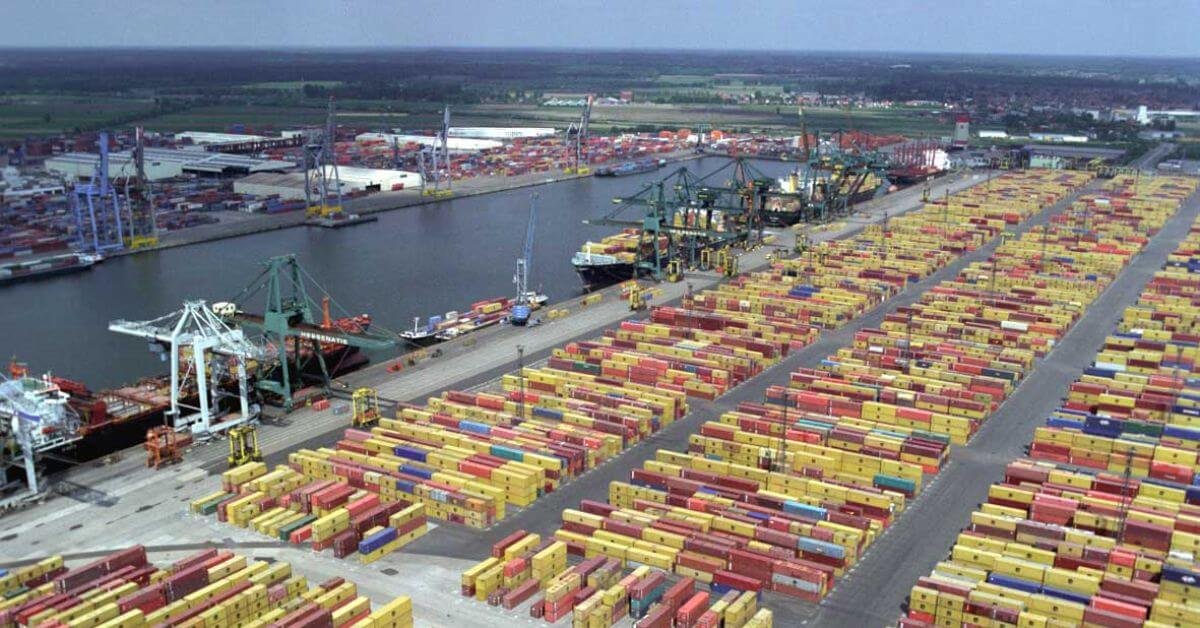
Seagoing access to the Port of Antwerp-Bruges has come to a near halt as pilotage and traffic control personnel joined Belgium’s three-day national strike, significantly disrupting maritime traffic across the country.
The port said the stoppage has created large queues of vessels both offshore and inland, adding pressure to European supply chains.
According to the port authority, the Wandelaar pilot dispatch station was closed from the evening of 24 November and is expected to remain shut until 07:30 on 26 November. This closure has blocked one of the port’s main seagoing access routes.
The LKN route is still open, but its use is restricted due to a pilot launch strike in Vlissingen, where Flemish pilot transfers were suspended from 12:30 to 19:30 on 24 November.
Zeebrugge’s Traffic Control Centre also stopped operations at 19:30 on 24 November, forcing Antwerp to suspend all seagoing movements through the Wandelaar channel. By that evening, 13 outbound and 23 inbound vessels were unable to move.
The strike significantly reduced port operations. Tug availability dropped to about 75% of normal levels, while the Kallo, Zandvliet and Van Cauwelaert locks were out of service.
By 07:30 on 25 November, congestion had increased to 30 outbound and 34 inbound vessels waiting to move. Although around 80% of tugs behind the locks were available at that point, the same three locks remained shut, slowing any recovery.
Zeebrugge, the coastal section of the unified Antwerp-Bruges port, has been fully closed to inbound and outbound traffic since 19:30 on 24 November and will remain closed until 07:30 on 26 November.
Reports from AGF.nl indicated that its closure would last 36 hours, stopping all pilotage via the LKW route. On 25 November, six outbound and four inbound ships were waiting offshore.
Internal harbour movements and the PVD lock are still functioning, but they do not ease the heavy congestion at sea.
The disruption has extended to North Sea Port, where the Zeebrugge closure and the Vlissingen pilot launch strike have blocked seagoing traffic unless vessels use Dutch pilots. By Monday afternoon, 12 vessels bound for Ghent had been affected, and the port expected “dozens” more. By Tuesday morning, 14 ships had been impacted.
The national strike has also halted inland cargo ship operations across Belgium, affecting river and canal logistics. Companies dependent on these waterways for transporting raw materials and goods are experiencing significant delays.
The strike forms part of a coordinated national action by Belgium’s three main labour unions, ABVV/FGTB, ACV/CSC and ACLVB, running from 24 to 26 November.
The unions are protesting against federal budget measures and pension-related plans. Initial reports described these as “aus…” policies, prompting workers across several sectors to join the walkout in large numbers.
Observers described this as Belgium’s largest national strike in the last ten months.
Antwerp-Bruges handled 278 million tonnes of cargo in 2024, including growing volumes of containers and chemical goods. Even short disruptions at such a major European hub risk shifting congestion to other North European ports. Some shipping lines, including Hapag-Lloyd, had already warned customers to expect delays.
References: portnews, marine talk
Disclaimer :
The information on this website is for general purposes only. While efforts are made to ensure accuracy, we make no warranties of any kind regarding completeness, reliability, or suitability. Any reliance you place on such information is at your own risk. We are not liable for any loss or damage arising from the use of this website.
Disclaimer :
The information on this website is for general purposes only. While efforts are made to ensure accuracy, we make no warranties of any kind regarding completeness, reliability, or suitability. Any reliance you place on such information is at your own risk. We are not liable for any loss or damage arising from the use of this website.
1. eBooks for Engine Department
Master machinery operations, troubleshooting, and safety procedures with expertly written guides tailored for marine engineers. Prevent costly breakdowns and onboard accidents through practical knowledge.
👉 Explore Engine Department eBooks
2. eBooks for Deck Department
Sharpen your seamanship, navigation, and cargo-handling skills with real-world case studies and practical insights designed for deck officers and cadets.
👉Discover Deck Department eBooks
3. eBooks on Electrical Fundamentals & Issues
Understand marine electrical systems, identify potential faults, and prevent onboard electrical failures with step-by-step explanations from industry experts.
4. Pocket Guides for Quick Reference
Compact, handy, and loaded with essential checklists—perfect for on-the-go reference during operations and emergencies at sea.
5. Combo Packs to Save Big
Access multiple expert eBooks at discounted prices. Ideal for professionals seeking complete safety and operational knowledge across various ship departments.
6. Digital Maritime Courses – Learn at Your Own Pace
Upgrade your competence with Marine Insight Academy’s online courses. Learn from industry professionals anytime, anywhere, and become a safer, smarter seafarer.