Wärtsilä: All-Time High Operating Result And Cash ...
2 months ago

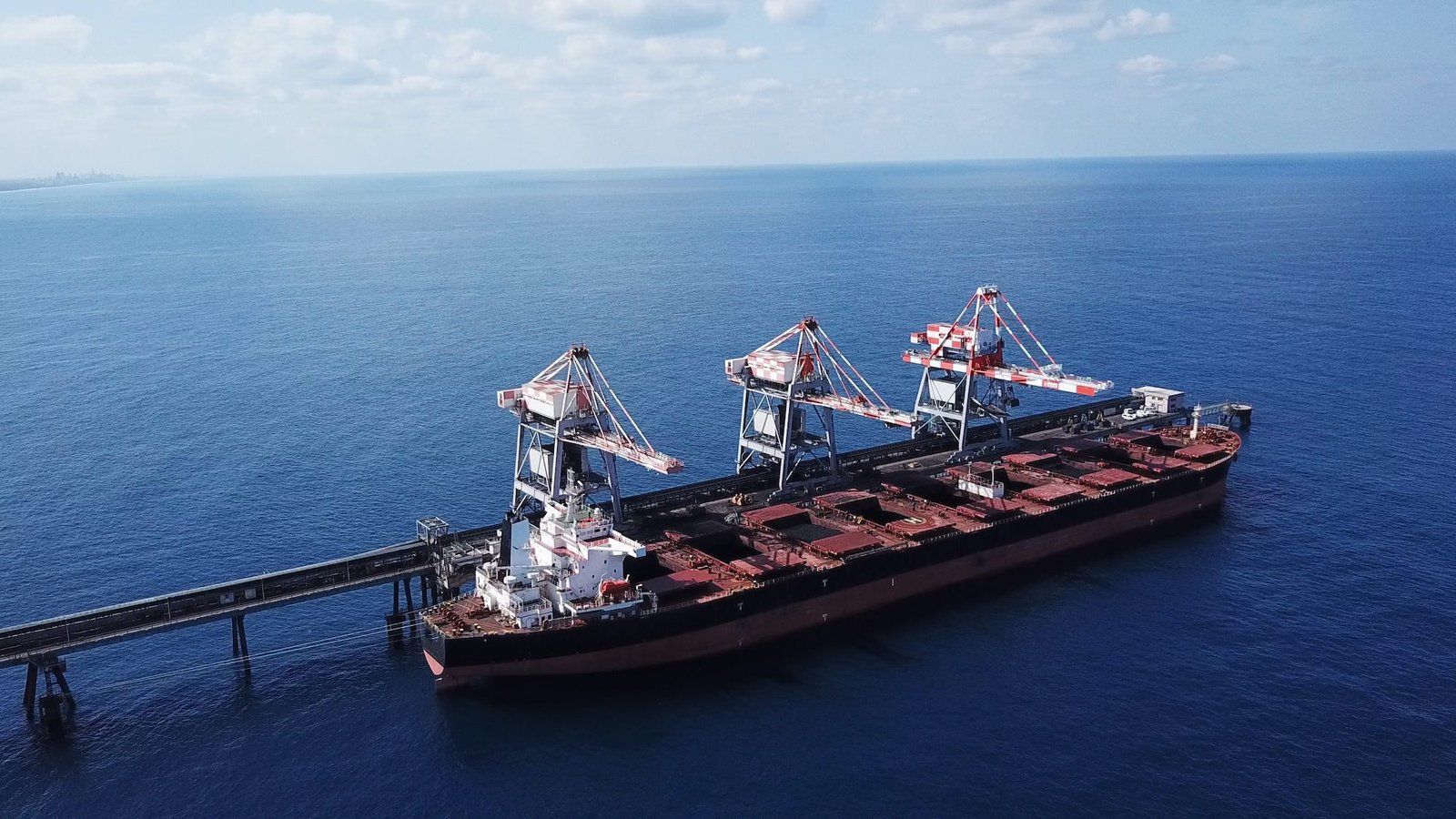
Longer average sailing distances are expected to support dry bulk demand through 2026, helping offset rising fleet growth and keeping market conditions relatively stable before weakening in 2027, according to new analysis from BIMCO.
“We estimate that the dry bulk supply-demand balance will remain stable in 2026 and weaken in 2027,” said Filipe Gouveia, Shipping Analysis Manager at BIMCO. “An improvement in the economic and demand outlook has led us to revise our 2026 demand forecast up by 0.5 percentage points.”
BIMCO’s upward revision reflects a more optimistic global economic outlook, with the International Monetary Fund now forecasting global GDP growth of 3.3% in 2026, up 0.2 percentage points from its prior estimate. Growth is expected to hold steady versus 2025 before easing slightly to 3.2% in 2027, supported by stronger fiscal stimulus and continued investment in technology and artificial intelligence.
A key driver of dry bulk demand growth is the extension of average sailing distances, which BIMCO expects to increase by 0.5% to 1.5% annually through 2027. The shift is being driven primarily by rising iron ore and bauxite shipments from the South Atlantic to Asia, boosting tonne-mile demand even as overall cargo volumes face headwinds.
Ship demand is projected to rise between 2% and 3% in 2026, followed by growth of 1% to 2% in 2027. Gains are being led by grain and minor bulk trades, while weaker iron ore and coal volumes are expected to limit overall expansion.
On the supply side, fleet growth is accelerating, with capacity forecast to expand by 2.5% in 2026 and 3% in 2027. New deliveries are concentrated in the panamax and supramax segments, while ship recycling is expected to increase modestly but remain below historical averages. Average sailing speeds are projected to decline slightly across most vessel classes, except in the capesize segment.
“Freight rates could remain strong in 2026, as favorable market conditions carry over from 2025,” Gouveia said. “However, in 2027, we expect rates to come under pressure as weaker market conditions emerge. Overall, the capesize segment may continue to outperform, supported by low fleet growth and increasing sailing distances.”
Geopolitical developments in the Red Sea remain a key wildcard. While the risk profile has improved following the last reported Houthi attack in late September and the subsequent Gaza ceasefire, uncertainty persists around the timing of a full return to normal shipping patterns.
“The potential full return of ships to the Red Sea poses a significant downside risk,” Gouveia said. “We estimate that a full return would be equivalent to a 2% reduction in tonne-mile demand due to shorter sailing distances.”
China’s economic trajectory also remains central to dry bulk demand. Although stimulus measures and a recent trade agreement with the United States have improved near-term prospects, the IMF continues to project a gradual slowdown in Chinese GDP growth.
With fleet expansion accelerating and tonne-mile demand increasingly dependent on longer trade routes, BIMCO said sailing distance dynamics will play a decisive role in shaping freight markets—supporting shipowner earnings through 2026 before softer conditions emerge in 2027.
Sign up for gCaptain’s newsletter and never miss an update