Echandia delivers battery system for tugboat in Si...
2 hours ago

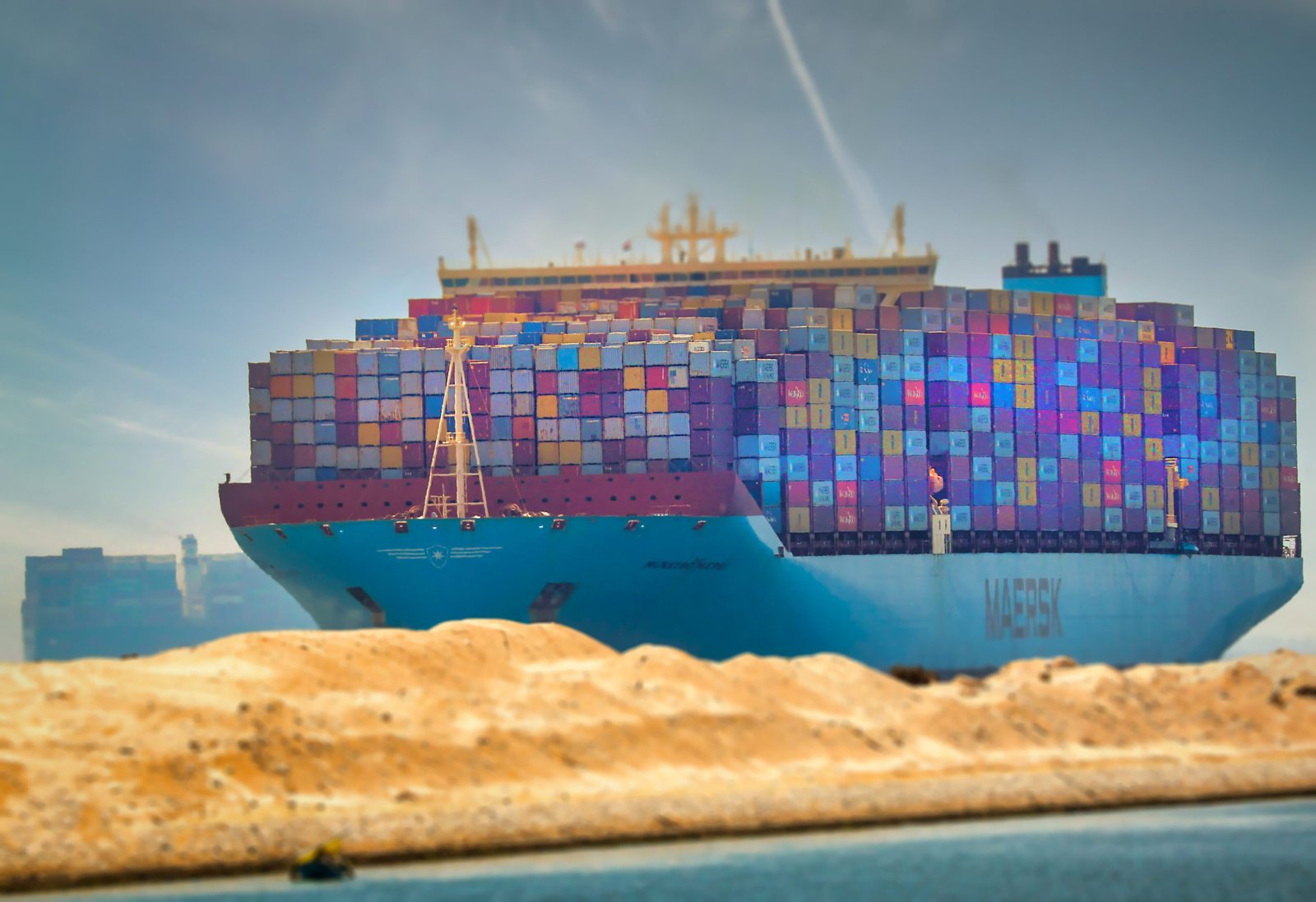
A.P. Moller–Maersk has confirmed the first structural return of a major container service to the trans-Suez route, in a landmark shift marking the most significant step yet toward restoring traffic through a corridor largely abandoned since late 2023.
The Danish carrier said its Middle East–India–U.S. East Coast (MECL) service will permanently resume trans-Suez routing following successful trial transits by Maersk Sebarok and Maersk Denver in recent weeks. The move signals a carefully calibrated bet that security conditions in the Red Sea have improved enough to justify ending the two-year detour around Africa.
The first sailing under the new structure will be Cornelia Maersk on westbound voyage 603W, departing Jebel Ali on January 15. The eastbound return leg will follow with Maersk Detroit departing North Charleston on January 10.
“The safety of crew, assets, and customers’ cargo remains the highest priority,” Maersk said, stressing that contingency plans remain in place should conditions deteriorate.
The company added that any further adjustments to the MECL service will depend on continued stability in the Red Sea and the absence of escalation in the region.
The announcement comes as traffic through the Suez Canal shows its first sustained recovery in more than two years. In the week ending January 11, 26 containerships transited the canal—the highest weekly total in over a month—according to Drewry’s Red Sea Diversion Tracker. That remains well below the roughly 80 weekly transits seen before the crisis.
Conditions began to turn after a Gaza ceasefire took effect in October 2025, with no new Houthi attacks reported since. CMA CGM has moved even faster than Maersk, sending the 23,000-TEU CMA CGM Jacques Saade—the largest vessel to use the canal in two years—through the route in late December.
Still, most carriers remain wary. During the same January 11 week, traffic around the Cape of Good Hope jumped to 203 voyages, more than double the prior week’s total.
“The return to the Suez Canal is one of this year’s key swing factors for capacity, freight rates and transit times,” said Drewry analyst Philip Damas, noting that carriers are closely watching insurance costs, competitor behavior, and the risk of congestion in European ports.
For Egypt, the stakes are enormous. Canal tolls are a critical source of foreign currency, and Suez Canal Authority chairman Admiral Ossama Rabiee has forecast a return to normal traffic levels by the second half of 2026. Maersk said its strategic partnership with the SCA was central to planning the MECL return.
The crisis began on November 19, 2023, when the Galaxy Leader was seized by Iranian-backed Houthi forces off Yemen. More than 100 merchant vessels were subsequently targeted, with four ships sunk, one seized, and at least eight seafarers killed.
The disruption slashed Red Sea traffic by roughly 60 percent, added weeks to transit times, and sent freight rates sharply higher. Before the attacks, the Suez Canal handled about 12 percent of global seaborne trade.
Maersk has long maintained that the Suez route via the Red Sea and Bab el-Mandeb Strait is “the fastest, most sustainable and most efficient way to serve customers with transport between Asia and Europe.” After nearly 800 days of routing ships around the Cape of Good Hope, the company is now betting that the worst may finally be over.
Maersk’s decision is significant as the company has historically served as an industry bellwether, with competitors closely monitoring and often mirroring its security-related moves. This was evident early in the Red Sea crisis when the attack on the M/V Maersk Hangzhou in late 2023 and Maersk’s subsequent indefinite suspension of Red Sea transits triggered an industry-wide response, with other major carriers suspending voyages and rerouting around the Cape of Good Hope.
Now, Maersk’s structural return to the trans-Suez route with its MECL service?? represents another potential inflection point, as the industry watches to see whether this signals a broader normalization of Red Sea operations or remains an isolated test of improved but still uncertain security conditions.
For the industry, every passage remains a live test of whether the Red Sea is truly reopening—or whether the world’s most important maritime shortcut is still a gamble too far.
Sign up for gCaptain’s newsletter and never miss an update