Wärtsilä: All-Time High Operating Result And Cash ...
2 months ago

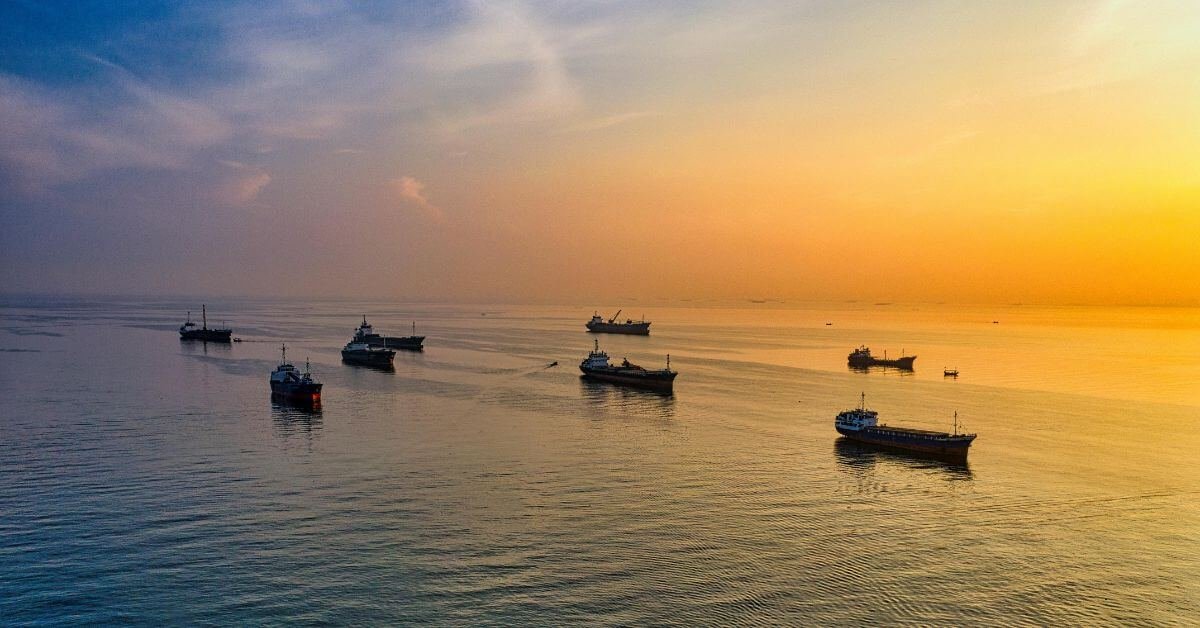

Several oil tankers have turned back from Venezuela after the US seized a vessel carrying Venezuelan crude, according to ship tracking data, in a development that has sharply disrupted the country’s oil exports.
A tanker transporting Russian naphtha for Venezuela’s state-run oil company PDVSA, along with at least four very large crude carriers (VLCCs) scheduled to load crude at Venezuelan ports, have made U-turns in recent days. The move came after the US Coast Guard intercepted and seized a VLCC carrying Venezuelan oil last week.
The seized vessel was transporting around 1.85 million barrels of Venezuelan heavy crude sold by PDVSA. The action shows growing tension between US and Venezuela.
The seizure has left more than 11 million barrels of crude stranded onboard other tankers waiting in Venezuelan waters. Shipping data showed that concerns over further enforcement actions have led some tanker owners to instruct their vessels to turn back, particularly as US naval ships continue to patrol the Caribbean Sea.
Among the vessels changing course is the Benin-flagged tanker Boltaris, which was carrying about 300,000 barrels of Russian naphtha bound for Venezuela. LSEG vessel data showed that the tanker turned back late last week and is now sailing towards Europe without unloading its cargo.
Separately, monitoring service TankerTrackers.com said that at least four VLCCs scheduled to load crude for PDVSA in the coming weeks have also turned back in recent days, further reducing shipments linked to Venezuela.
Shipping and trade data indicated that US pressure has almost brought Venezuela’s oil exports to a halt since last week. At present, only tankers chartered by Chevron have been able to leave Venezuelan ports with crude bound for the United States, under an authorisation previously granted by Washington.
PDVSA said on Monday that it had been affected by a cyberattack. According to sources, the incident forced the shutdown of the company’s administrative and operational systems, including its oil delivery system, adding to the disruption of exports.
References: Reuters, telegraphindia
Disclaimer :
The information on this website is for general purposes only. While efforts are made to ensure accuracy, we make no warranties of any kind regarding completeness, reliability, or suitability. Any reliance you place on such information is at your own risk. We are not liable for any loss or damage arising from the use of this website.
Disclaimer :
The information on this website is for general purposes only. While efforts are made to ensure accuracy, we make no warranties of any kind regarding completeness, reliability, or suitability. Any reliance you place on such information is at your own risk. We are not liable for any loss or damage arising from the use of this website.
1. eBooks for Engine Department
Master machinery operations, troubleshooting, and safety procedures with expertly written guides tailored for marine engineers. Prevent costly breakdowns and onboard accidents through practical knowledge.
👉 Explore Engine Department eBooks
2. eBooks for Deck Department
Sharpen your seamanship, navigation, and cargo-handling skills with real-world case studies and practical insights designed for deck officers and cadets.
👉Discover Deck Department eBooks
3. eBooks on Electrical Fundamentals & Issues
Understand marine electrical systems, identify potential faults, and prevent onboard electrical failures with step-by-step explanations from industry experts.
4. Pocket Guides for Quick Reference
Compact, handy, and loaded with essential checklists—perfect for on-the-go reference during operations and emergencies at sea.
5. Combo Packs to Save Big
Access multiple expert eBooks at discounted prices. Ideal for professionals seeking complete safety and operational knowledge across various ship departments.
6. Digital Maritime Courses – Learn at Your Own Pace
Upgrade your competence with Marine Insight Academy’s online courses. Learn from industry professionals anytime, anywhere, and become a safer, smarter seafarer.