Wärtsilä: All-Time High Operating Result And Cash ...
2 months ago

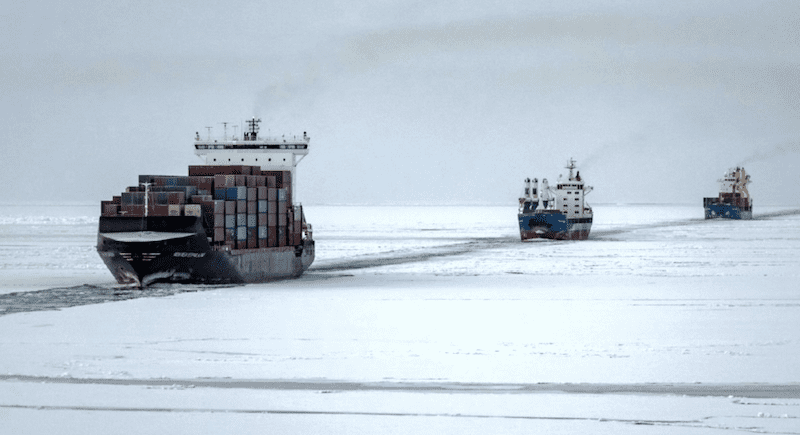
MSC Mediterranean Shipping Company CEO Soren Toft has reaffirmed the world’s largest container carrier’s refusal to use the Northern Sea Route, even as Chinese shipping lines push deeper into Arctic waters with record transit volumes and sharply reduced sailing times.
“The debate around the Arctic is intensifying, and commercial shipping is part of that discussion,” Toft said in a recent statement. “Our position at MSC is clear. We do not and will not use the Northern Sea Route.”
Toft cited persistent safety, operational, and environmental concerns that have kept MSC out of Arctic waters. “Safe navigation cannot be assured. The risks for crews remain too high. And increased traffic would put additional pressure on fragile ecosystems and local communities,” he said.
He added that MSC sees no operational case for Arctic routing. “There’s no operational need for MSC to transit the Arctic. Our fleet and network allow us to transport customer cargo safely and reliably worldwide without doing so.”
MSC’s firm stance contrasts sharply with the rapid expansion of Chinese shipping activity along the route. In 2025, Chinese operators completed 14 container voyages via the Northern Sea Route, up from 11 in 2024 and just seven in 2023. Container volumes reached approximately 400,000 tons, a 2.6-fold increase year over year.
Transit times are driving the surge. The Chinese-operated containership Istanbul Bridge recently completed the first-ever direct container voyage between China and the United Kingdom via the Arctic in just 20 days, averaging 16.7 knots along the corridor. Haijie Shipping Company’s new China-Europe Arctic Express service is offering 18-day transit times—less than half the typical 40- to 50-day journey via the Suez Canal.
Chinese carriers including NewNew Shipping Line and Sea Legend have signaled plans to further expand Arctic container operations in 2026, adding sailings and improving schedule reliability. NewNew is also planning to build five 4,400-TEU Arc7 ice-class container ships, potentially enabling near year-round Arctic operations with icebreaker support.
MSC’s Arctic policy dates back to 2019, when President Diego Aponte first pledged to avoid Arctic transits. The company reaffirmed its stance in 2021 following the Ever Given blockage of the Suez Canal and again in 2024 amid Red Sea security disruptions.
MSC is joined by other major Western carriers—including CMA CGM, Maersk, Evergreen, and Hapag-Lloyd—in signing the Ocean Conservancy’s Arctic Corporate Shipping Pledge, which warns that increased vessel traffic poses “great risk and potentially devastating environmental impacts.”
The group cites the Arctic’s rapid warming—occurring two to three times faster than the global average—as a major concern, warning of accelerating ice loss, ecosystem disruption, and mounting risks for Indigenous and coastal communities.
Despite the growing divide, overall Arctic shipping activity continues to climb. Russia reported 103 transit voyages along the Northern Sea Route in 2025, carrying roughly 3.2 million tons of cargo, primarily crude oil, LNG, and bulk commodities.
The 2025 navigation season ran from July 16 to October 30, about three weeks shorter than in 2024 due to early sea ice formation in eastern sections of the route.
As Arctic ice retreats and transit times shrink, economic pressure to exploit the route is likely to intensify. For now, however, the global container industry remains sharply split—Western carriers prioritizing environmental and safety commitments, while Chinese operators push aggressively to capitalize on what could become a transformative new trade corridor.
Sign up for gCaptain’s newsletter and never miss an update