Wärtsilä: All-Time High Operating Result And Cash ...
2 months ago

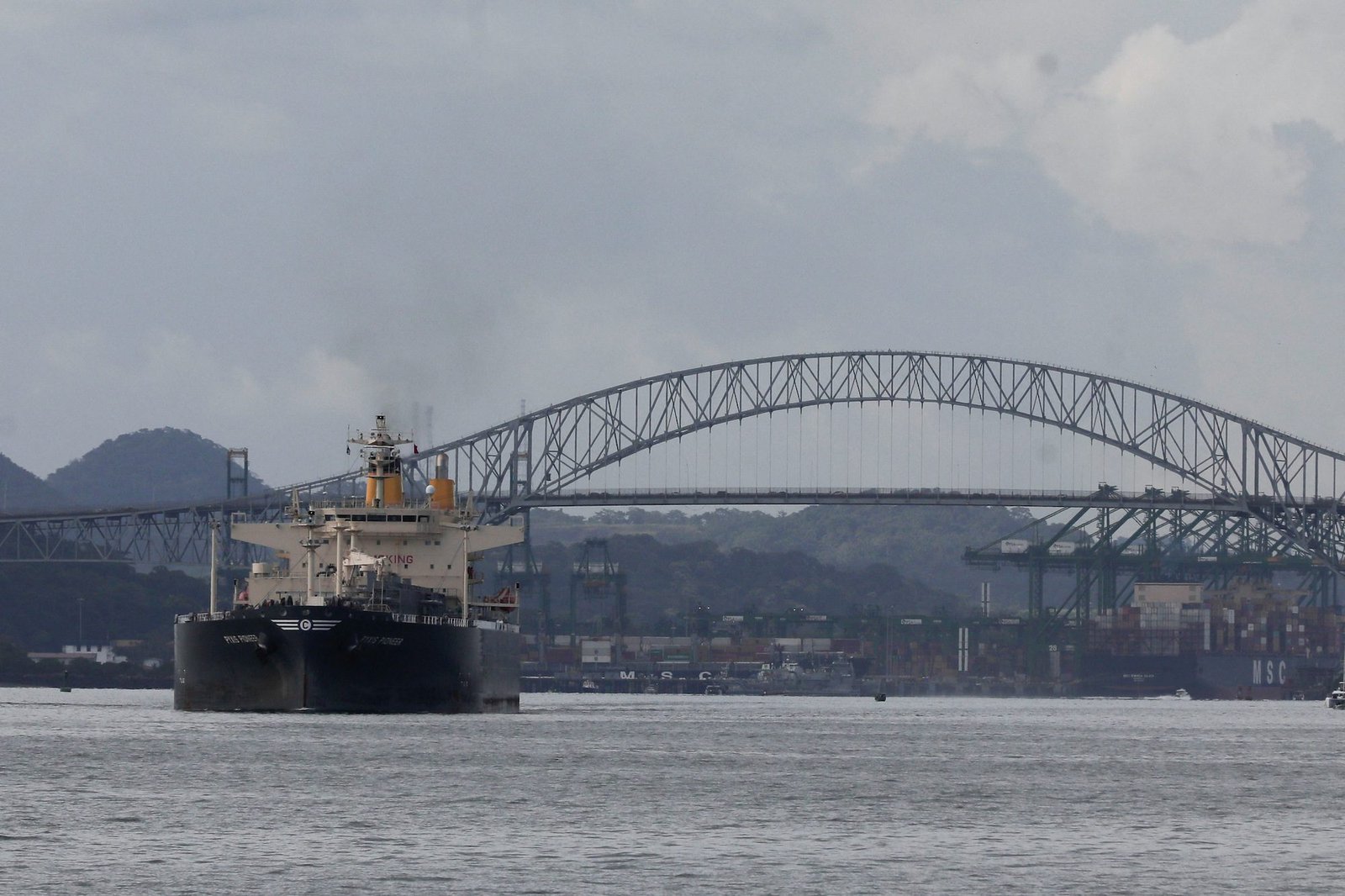
The Panama Canal Authority has launched the formal prequalification process for two major infrastructure projects that could reshape energy and container flows across the Americas, even as mounting legal uncertainty surrounding existing port operations underscores the geopolitical tensions now surrounding the strategic waterway.
On January 30, the authority published prequalification documents for a cross-isthmus energy pipeline and new container terminal developments on both the Atlantic and Pacific coasts, marking a key step toward selecting future concessionaires for projects expected to carry multibillion-dollar price tags. The documents are now available through the canal’s procurement platform, allowing interested bidders to begin the technical evaluation process.
The announcement comes just one day after Panama’s Supreme Court annulled key port concession contracts held by Panama Ports Company, a subsidiary of Hong Kong-based CK Hutchison. The ruling has thrown the future of canal-adjacent terminals into doubt and could complicate CK Hutchison’s proposed $23 billion global ports sale to a consortium led by BlackRock and Mediterranean Shipping Company.
At the heart of the initiative is a proposed 76-kilometer pipeline designed to move propane, butane, and ethane between the Atlantic and Pacific coasts, with capacity estimated at up to 2.5 million barrels per day. Unlike traditional canal transits, the pipeline would bypass the locks entirely and consume no freshwater — a critical advantage after drought-driven restrictions severely disrupted shipping in 2023 and 2024.
“Under the current administration in the U.S., energy products will have a very high priority,” Panama Canal Administrator Ricaurte Vásquez said. “This is a window of opportunity that Panama must capture to ensure we remain relevant for international trade.”
The project has already attracted strong industry interest, with market engagement sessions held with major energy players including ENEOS, Energy Transfer, ExxonMobil, Enterprise Products Partners, Chevron, Phillips 66, Targa Resources, and ONEOK.
The pipeline is designed to hedge against future climate-driven disruptions. While improved rainfall has allowed the canal to maintain a 50-foot draft this year, officials remain acutely aware of the vulnerability of Gatun Lake, which supplies both lock operations and freshwater to millions of Panamanians.
In parallel, the canal authority is advancing plans for new container terminals on both coasts, targeting a combined national transshipment capacity of 5.0 to 6.0 million TEUs annually. The projects are aimed squarely at strengthening Panama’s position as a global intermodal logistics hub amid intensifying regional competition.
The terminals are expected to require about $2.6 billion in investment and could generate between 0.4% and 0.8% of Panama’s GDP, according to authority estimates. Construction is projected to create roughly 8,100 jobs, with another 9,000 positions once operations are underway.
“There is a large demand for facilities and terminals,” Vásquez said, adding that the authority plans to deploy next-generation crane technology to boost efficiency and compete with leading regional hubs such as Colombia’s Port of Cartagena.
The port developments form part of an $8.5 billion, seven-year capital investment plan that also includes new water reservoirs and transportation upgrades. Market consultations have included APM Terminals, Cosco Shipping Ports, CMA Terminals, DP World, Hanseatic Global Terminals, MOL, PSA International, SSA Marine–Grupo Carrix, Terminal Investment Limited, ONE, and Evergreen.
Final selection of concessionaires is expected in the fourth quarter of 2026, with officials pledging a transparent and competitive process.
The expansion push is unfolding amid rising geopolitical tensions, after Panama’s Supreme Court ruled that the legal framework underpinning CK Hutchison’s port concessions was unconstitutional. The decision arrives as U.S.-China competition increasingly spills into global shipping and port ownership.
Some observers see the ruling as a strategic win for Washington, after President Donald Trump renewed pressure on Panama to curb Chinese influence near the canal — which carries roughly 5% of global maritime trade.
Panama Ports Company said it has invested $1.8 billion in port infrastructure and technology over nearly three decades and reserved the right to pursue national and international legal action.
President José Raúl Mulino sought to calm markets, instructing the Panama Maritime Authority to immediately coordinate with PPC to ensure uninterrupted operations and avoid layoffs.
The court decision could ultimately force Panama to rewrite its legal framework for port concessions — and potentially launch new tenders — adding strategic weight to the canal authority’s decision to advance entirely new port developments now.
Together, the pipeline and terminal projects form a central pillar of the Panama Canal Authority’s Strategic Vision 2025–2035, aimed at diversifying revenue streams, strengthening operational resilience, and reinforcing Panama’s role at the heart of global trade.
Sign up for gCaptain’s newsletter and never miss an update