Wärtsilä: All-Time High Operating Result And Cash ...
1 month ago

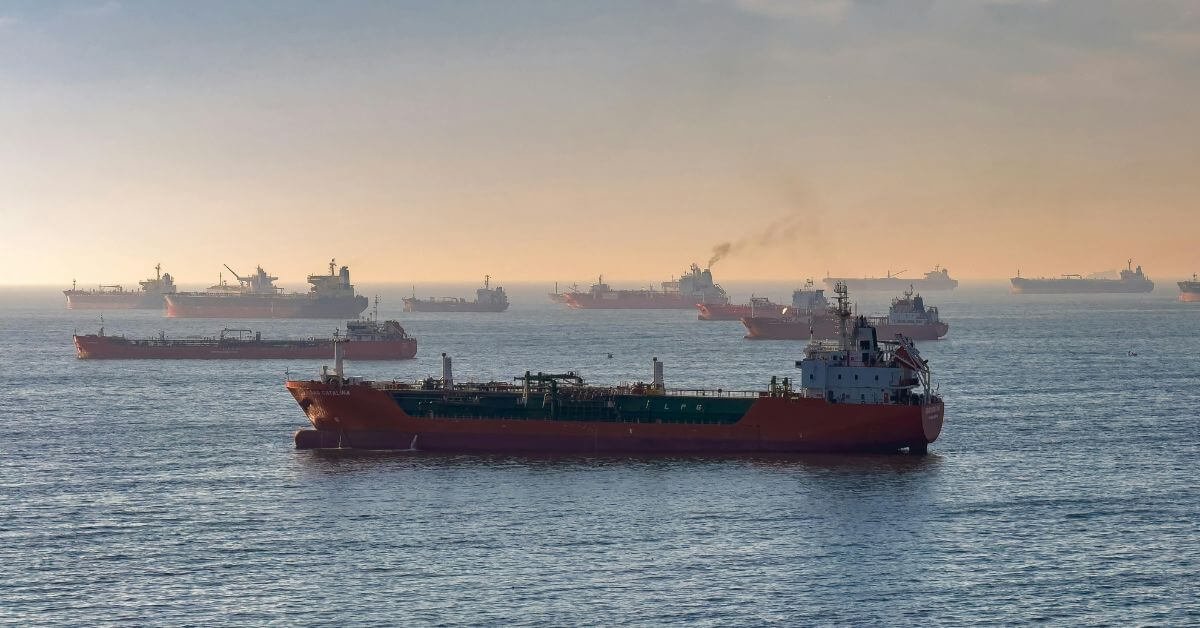
Qatar’s Ministry of Transport has directed all vessels operating in its waters to temporarily stop navigation following a technical fault affecting the country’s Global Positioning System (GPS).
The order, issued on 4 October through an official circular posted on X, took immediate effect and will remain in place until the issue is resolved.
In its announcement, the ministry stated that the decision was made to ensure the safety of seafarers and prevent potential navigation errors caused by inaccurate GPS readings. It urged all shipowners, operators, and maritime stakeholders to comply with the directive and ensure vessels return safely to port.
No specific timeline has been given for the restoration of the system, but authorities confirmed that further updates will be provided as the situation develops.
Although the ministry did not explain the cause of the fault, GPS interference has been a recurring problem in the Arabian Gulf, especially during times of political tension between Iran and neighbouring countries. In recent months, Qatari residents have reported irregular GPS readings on mobile devices showing incorrect locations within Iranian territory.
🔴 CIRCULAR
⚠️ 🚢 ⛵ #MOTQatar #Qatar pic.twitter.com/ZNAon6tJGg— Ministry of Transport 🇶🇦 وزارة المواصلات (@MOTQatar) October 4, 2025
Experts familiar with the issue believe such disruptions may result from GPS spoofing, a form of electronic interference that manipulates navigation signals. This method is often associated with electronic warfare techniques, used either for defensive purposes to confuse incoming threats or as a form of hybrid interference that disrupts commercial activity without revealing the source.
Despite the government’s directive, live marine traffic data on Sunday indicated continued movement of merchant vessels within Qatari territorial waters. Ships near Doha and Ras Laffan were observed navigating at regular speeds, and loading operations appeared ongoing at Ras Laffan’s LNG terminals.
Qatar is one of the world’s largest exporters of liquefied natural gas (LNG), and any extended disruption to its maritime traffic could have implications for global energy supply chains.
Globally, GPS spoofing incidents are not new. The Baltic Sea region, for example, has experienced years of signal interference believed to originate from state-operated transmitters, yet commercial shipping there continues largely unaffected.
Earlier this year, Bloomberg reported increasing cases of GPS jamming and spoofing across the Middle East, highlighting growing navigational risks for vessels operating in the region.
For now, Qatari authorities continue to assess the situation, maintaining that maritime safety remains their top priority until the technical issue is fully resolved.
Reference: Ministry of Transport Qatar

Disclaimer :
The information contained in this website is for general information purposes only. While we endeavour to keep the information up to date and correct, we make no representations or warranties of any kind, express or implied, about the completeness, accuracy, reliability, suitability or availability with respect to the website or the information, products, services, or related graphics contained on the website for any purpose. Any reliance you place on such information is therefore strictly at your own risk.
In no event will we be liable for any loss or damage including without limitation, indirect or consequential loss or damage, or any loss or damage whatsoever arising from loss of data or profits arising out of, or in connection with, the use of this website.
Disclaimer :
The information contained in this website is for general information purposes only. While we endeavour to keep the information up to date and correct, we make no representations or warranties of any kind, express or implied, about the completeness, accuracy, reliability, suitability or availability with respect to the website or the information, products, services, or related graphics contained on the website for any purpose. Any reliance you place on such information is therefore strictly at your own risk.
Do you have info to share with us ? Suggest a correction