Wärtsilä: All-Time High Operating Result And Cash ...
1 month ago

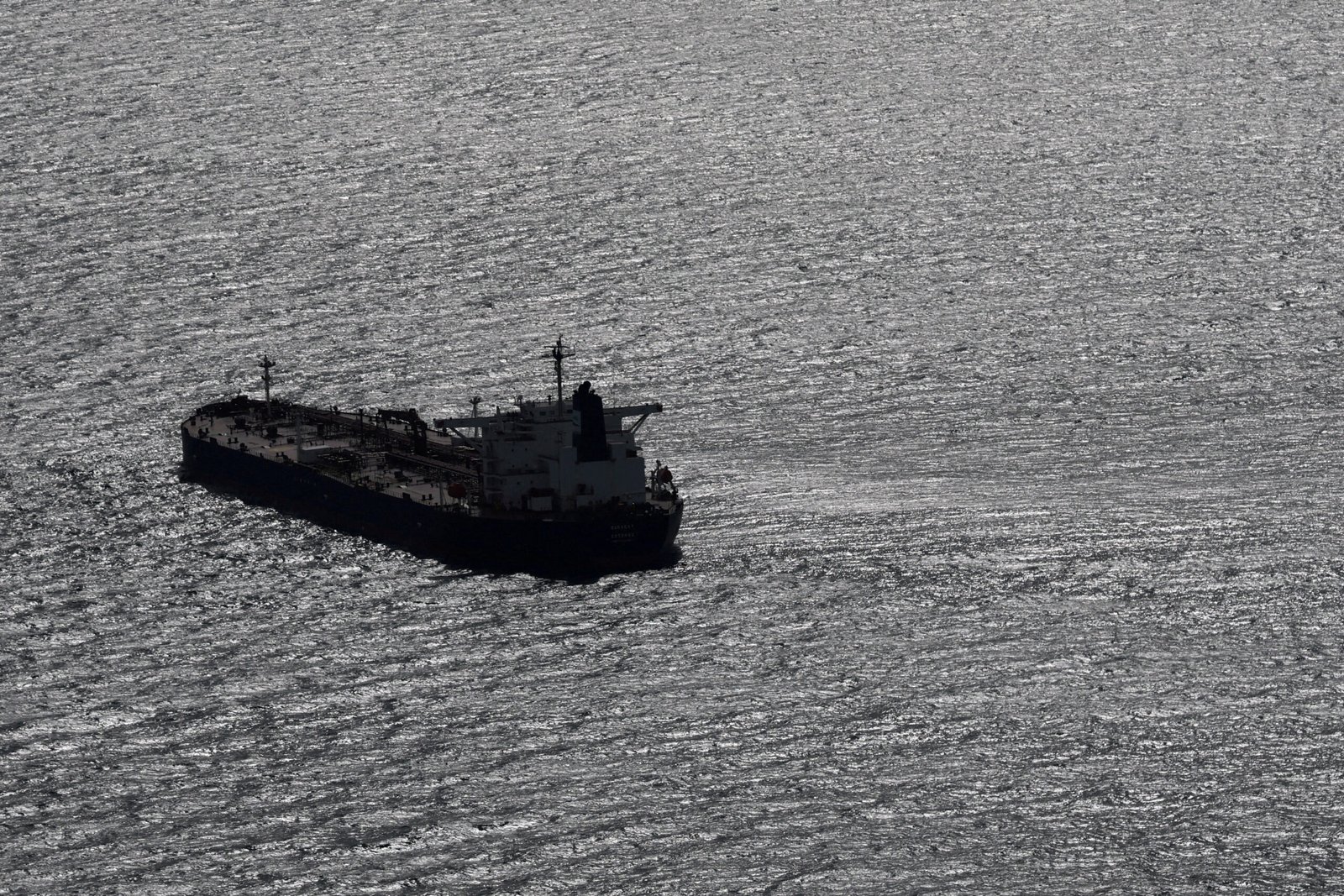
(Bloomberg) — A second Russia-linked oil tanker lost control as it was entering the Mediterranean Sea in under a week.
The medium-range vessel Chariot Tide first showed signs of difficulty as it approached Tangier, Morocco, on Jan. 21, when its speed abruptly dropped to less than two knots. Hours later the vessel’s navigation status was changed to “Not under command,” — a designation indicating a loss of control that would mean it can’t avoid other ships. By Wednesday, its operational status had shifted to “in casualty or repairing.”
Last week, another tanker, the Progress, also showed as “not under command” while on a similar route. The same day, the French navy boarded another oil carrier involved in the Russian trade and took it to a port near Marseille.
That two tankers hauling Russian oil have run into navigational difficulties in quick succession will give alarm critics, who argue that a fleet that Moscow assembled to beat western sanctions poses an environmental risk. The vessels — often sanctioned — can lack adequate insurance, and sail under questionable flags with opaque ownership structures.
Over the next two days, the Chariot Tide passed slowly through the Strait of Gibraltar into the Mediterranean Sea, stopping at various points along the way without entering a port.
By Saturday morning, it had cleared the Spanish exclave of Ceuta and was heading into the Mediterranean at speeds of between three and four knots, while still indicating it was not under command. It remains off the coast of Morocco.
After appearing to lose way in the busy waters of the western Alboran Sea for almost a full day, the tanker’s navigation status was changed to “Under way using engine” on Sunday morning, although it continued to move eastward at speeds of under two knots. The tanker was shadowed for a while by the Spanish tug Maria Zambrano.
What ‘Not under command’ means:
The Convention on the International Regulations for Preventing Collisions at Sea, 1972, defines “Not Under Command” as follows:
The term ‘vessel not under command’ means a vessel which through some exceptional circumstance is unable to manoeuvre as required by these Rules and is therefore unable to keep out of the way of another vessel.
Such circumstances generally include, but are not limited to:
- Steering gear failure
- Engine failure/propulsion loss
- Loss of power
- Unexpected damage
The 19-year-old Chariot Tide was sanctioned by both the European Union and the UK for its involvement in the Russian oil trade, under its former name of Marbella Sun.
It is carrying a cargo of about 300,000 barrels of diesel, loaded at the Russian Baltic Sea port of Primorsk, according to data from intelligence company Kpler. Its trip to the Baltic was the Chariot Tide’s first voyage since leaving a shipyard in Turkey in November, vessel tracking data compiled by Bloomberg show.
The vessel’s signals indicate that it was heading for the Moroccan port of Tangier when it ran into trouble. Past voyages have also seen it deliver Russian diesel to North African ports, according to Kpler.
The ship’s manager is Clariton Shipping Ltd., registered in the Marshall Islands, according to the Equasis international shipping database, which offers no other means of contacting the company. International Registries Inc., which is affiliated with The Marshall Islands Maritime and Corporate Registries said that Clariton Shipping “was forcibly annulled on 7 February 2025 and is no longer an active entity.”
© 2026 Bloomberg L.P.
Sign up for gCaptain’s newsletter and never miss an update