Wärtsilä: All-Time High Operating Result And Cash ...
7 days ago

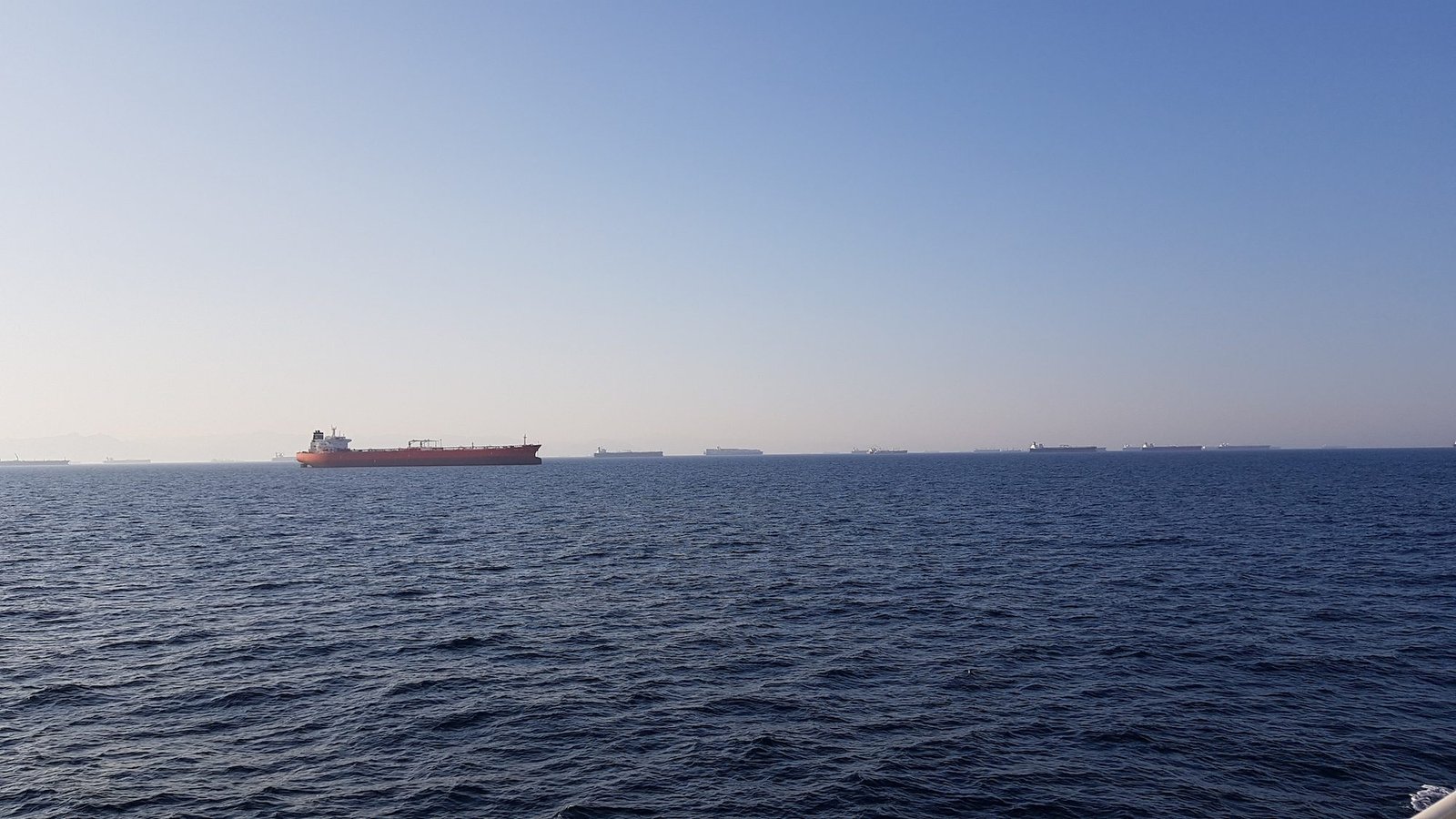
Maritime traffic through the strategic Strait of Hormuz dropped significantly on Monday ahead of the ceasefire between Iran, the United States, and Israel.
According to the Joint Maritime Information Centre (JMIC), eastbound transits fell to 49 vessels and westbound to just 42 on June 23—a marked decrease from the June 2025 average of 114 total daily transits. This represents a substantial decline from even the previous day’s figures of 67 eastbound and 50 westbound vessels and the lowest number of transits since the conflict began.
The drop in maritime activity followed Iran’s parliament approving a motion to close the Strait of Hormuz in direct response to U.S. military strikes against Iranian nuclear facilities at Natanz, Isfahan, and Fordow over the weekend, and concerns over how Iran would retaliate. While the final decision regarding closure has always rested with Iran’s Supreme National Security Council, the threat alone appears to have impacted shipping decisions.
Iran ultimately responded to the U.S. strikes by targeting a U.S. base in Qatar, but all missiles were either intercepted or missed their targets, resulting in no casualties. The Iranians characterized their response as proportionate to the U.S. strikes, while President Trump dismissed the attack and indicated that the U.S. would not retaliate.
Oil Sinks After Iran Targets U.S. Base—Not Tankers
JMIC data shows that daily transits through the strait were as high as 147 on June 9, just days before the Israel-Iran conflict began on June 13. The situation has been further complicated by persistent electronic interference affecting GNSS systems throughout the region, forcing vessels to rely more heavily on radar-based navigation and traditional lookouts. Despite the heightened risks, the number of total transits through the Strait of Hormuz had remained mostly consistent until yesterday.
Prior to his ceasefire announcement, President Donald Trump on Monday urged “everyone” to keep oil prices down amid fears that the ongoing conflict could cause prices to spike. “Everyone, keep oil prices down, I’m watching! You’re playing into the hands of the enemy, don’t do it,” Trump posted on his Truth Social platform.
Today, Trump encouraged China to continue purchasing oil from Iran despite his administration’s “maximum pressure” campaign. “China can now continue to purchase Oil from Iran. Hopefully, they will be purchasing plenty from the U.S., also,” he stated.
The JMIC’s Update 013, released today, maintains an “ELEVATED” maritime domain threat level, emphasizing that “the strategic situation in the Strait of Hormuz and broader Middle East remains uncertain.”
Meanwhile, maritime security firm Ambrey has lowered its assessment of risks to U.S. military bases and merchant shipping following the announcement of a ceasefire.
While Monday’s transit figures appear to be a moot point with confirmation of a ceasefire, the data shows how the conflict was set to impact shipping volumes through the world’s most critical chokepoint for seaborne oil. The Strait of Hormuz, connecting the Persian Gulf with the Gulf of Oman and the Arabian Sea, is one of the world’s most critical maritime chokepoints, with approximately 20% of global oil supplies and a significant portion of natural gas transiting through this narrow waterway daily.
Maritime authorities including the JMIC, United Kingdom Maritime Trade Operations (UKMTO), and Maritime Security Centre – Horn of Africa (MSCIO) continue to monitor the situation closely as the maritime industry remains on high alert.

Sign up for gCaptain’s newsletter and never miss an update