ISWAN launches landmark new Social Interaction Mat...
2 hours ago

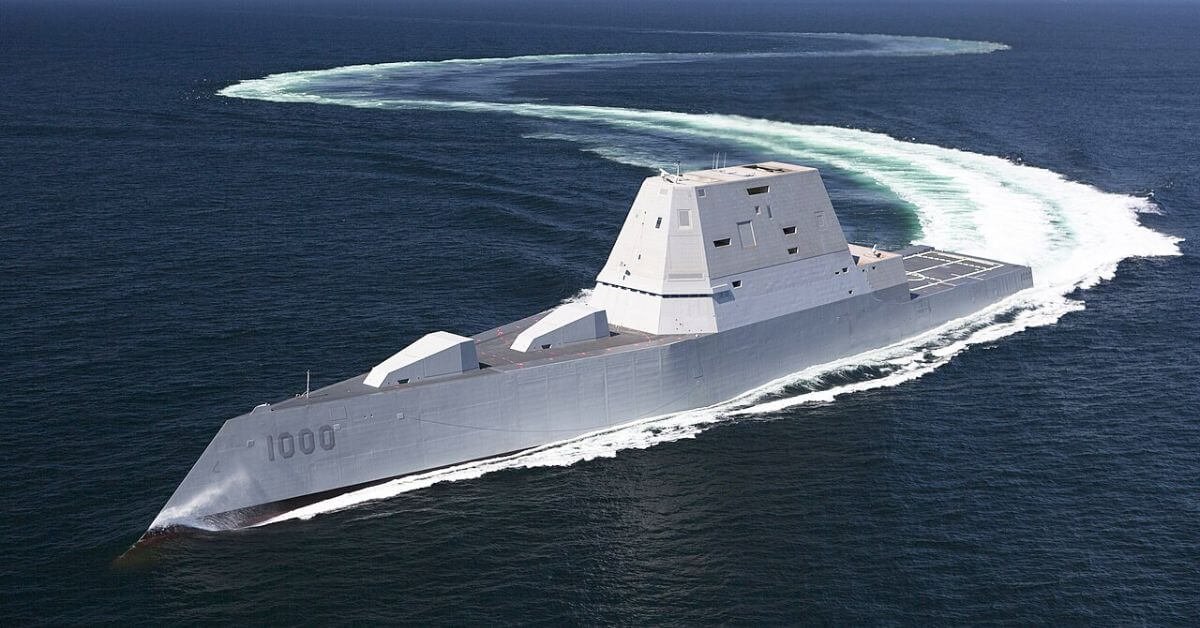
The US Navy’s proposed Trump-class guided-missile battleship could become the most expensive warship ever built by the United States, with early cost estimates reaching as high as $22 billion, according to Congressional analysts.
An initial assessment by the Congressional Budget Office (CBO) shows that the first ship under the BBG(X) programme could cost between $15 billion and $22 billion.
The final cost will depend on key design choices that are still undecided, including the ship’s weight, weapons systems and crew size.
CBO naval analyst Eric Labs explained that a version displacing about 35,000 tonnes would likely cost around $18–19 billion, while a heavier design could cost above $20 billion.
The Trump-class battleship would be more expensive than the Gerald R Ford aircraft carrier, which was delivered in 2017 at a cost of about $13 billion after exceeding its original budget by around 30 per cent.
The proposed battleship would be twice the size of any cruiser or destroyer built by the US Navy since the Second World War, though it would still be about one-third the size of a Ford-class aircraft carrier.
Labs suggested that later ships in the Trump-class could cost less, with estimates ranging from $10 billion to $15 billion per vessel. However, he also warned that these figures may prove optimistic.
He pointed to ongoing problems in the US shipbuilding industry, noting that the workforce has not grown since 1990 and may not be large enough to support both current Navy construction plans and a new battleship programme.
President Donald Trump announced the Trump-class battleship in December as part of his “Golden Fleet” plan, which aims to rebuild US shipbuilding capacity and strengthen the Navy.
The announcement followed the Navy’s decision to cancel the Constellation-class frigate programme in November and later launch a revised frigate effort.
At the time of the announcement, the battleship was presented as a highly capable vessel. A Navy fact sheet, later removed, indicated the ship would weigh around 35,000 tonnes and carry a crew of up to 850 people.
It also suggested the vessel could be armed with Tomahawk missiles, hypersonic weapons and laser systems, and may be capable of carrying nuclear-tipped missiles.
An artist’s image shown during the announcement depicted the ship firing a laser weapon during combat.
The proposal has also raised concerns about its impact on the Navy’s future surface combatant plans, particularly the next-generation guided missile destroyer programme, known as DDG(X).
Navy leaders have indicated that the Trump-class battleship could take the place of the DDG(X) by significantly expanding its planned capabilities, based on the assumption that advanced defensive systems would make the larger ship survivable.
However, Congressional analysts have warned about the risks of relying on a single, very large warship programme.
Ronald O’Rourke, a naval affairs analyst with the Congressional Research Service, said lawmakers should consider the consequences if a future administration were to cancel the battleship project after several years.
The DDG(X) programme and the cancelled Constellation frigate project have both faced criticism in the past over cost estimates and delays.
O’Rourke also raised questions about whether enough analysis had been completed before the Trump-class and new frigate programmes were announced, suggesting the decisions may have come before detailed assessments.
For now, the Trump-class battleship remains a concept rather than an approved project. As Congress continues to review its cost, feasibility and impact on the fleet, the proposal is expected to face close scrutiny over affordability, shipyard capacity and long-term naval planning.
References: business-standard, defenseone
Disclaimer :
The information on this website is for general purposes only. While efforts are made to ensure accuracy, we make no warranties of any kind regarding completeness, reliability, or suitability. Any reliance you place on such information is at your own risk. We are not liable for any loss or damage arising from the use of this website.
Disclaimer :
The information on this website is for general purposes only. While efforts are made to ensure accuracy, we make no warranties of any kind regarding completeness, reliability, or suitability. Any reliance you place on such information is at your own risk. We are not liable for any loss or damage arising from the use of this website.
1. eBooks for Engine Department
Master machinery operations, troubleshooting, and safety procedures with expertly written guides tailored for marine engineers. Prevent costly breakdowns and onboard accidents through practical knowledge.
👉 Explore Engine Department eBooks
2. eBooks for Deck Department
Sharpen your seamanship, navigation, and cargo-handling skills with real-world case studies and practical insights designed for deck officers and cadets.
👉Discover Deck Department eBooks
3. eBooks on Electrical Fundamentals & Issues
Understand marine electrical systems, identify potential faults, and prevent onboard electrical failures with step-by-step explanations from industry experts.
4. Pocket Guides for Quick Reference
Compact, handy, and loaded with essential checklists—perfect for on-the-go reference during operations and emergencies at sea.
5. Combo Packs to Save Big
Access multiple expert eBooks at discounted prices. Ideal for professionals seeking complete safety and operational knowledge across various ship departments.
6. Digital Maritime Courses – Learn at Your Own Pace
Upgrade your competence with Marine Insight Academy’s online courses. Learn from industry professionals anytime, anywhere, and become a safer, smarter seafarer.
By subscribing, you agree to our Privacy Policy and may receive occasional deal communications; you can unsubscribe anytime.