Wärtsilä: All-Time High Operating Result And Cash ...
1 month ago

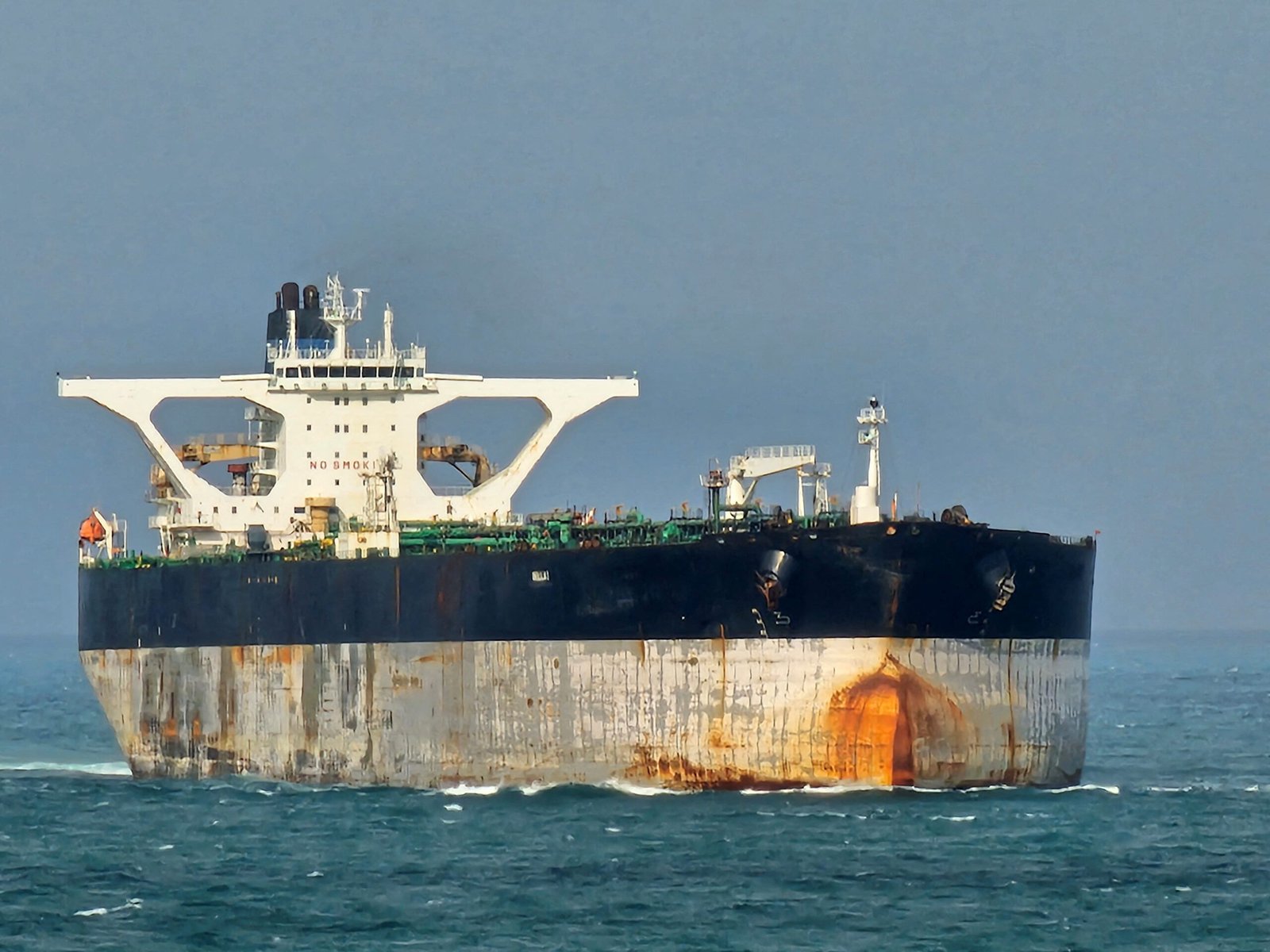
For more than two weeks, the oil tanker formerly known as Bella 1 has been on the run.
Now, as the vessel — hastily re-registered in Russia and renamed Marinera — pushes through winter seas in the North Atlantic, shipping and security circles are buzzing with a single question: will the United States finally move to seize it?
The rumors picked up steam this week after CBS News reported that U.S. officials are quietly weighing a high-risk boarding operation as the vessel steams past the UK, far from Venezuelan waters but closer to friendly ports capable of handling a captured VLCC.
The chase began December 20 when the U.S. Coast Guard attempted to board Bella 1 in the Caribbean. The tanker, sailing from Iran toward Venezuela to load crude, refused to comply and instead bolted into the open Atlantic.
American officials later said the vessel was flying a false flag at the time, making it effectively stateless under international law — a key detail that could allow U.S. forces to board without the consent of any flag state.
Rather than submit, the crew reportedly painted a crude Russian flag on the hull, radioed that they were now under Russian authority, and soon after appeared in Russia’s maritime register under a new name, Marinera, with Sochi listed as its home port.
According to the New York Times, Moscow wasn’t amused. Late on New Year’s Eve, Russian officials delivered a diplomatic note to the State Department and the White House Homeland Security Council asking the U.S. to halt its pursuit.
U.S. officials, however, have maintained that the ship’s last-minute reflagging doesn’t change the fact that it was operating without a legitimate flag when first approached. In their view, the tanker is still fair game.
This isn’t just another sanctions-dodging tanker. Bella 1 was formally blacklisted by the U.S. Treasury in June 2024 for its role in moving oil on behalf of networks tied to Hezbollah and Iran’s IRGC-Qods Force. Its registered owner was sanctioned under Executive Order 13224 — the U.S. government’s primary counter-terrorism authority.
TankerTrackers.com estimates the VLCC carried more than 20 million barrels of Iranian and Venezuelan crude between 2021 and 2025, much of it bound for China through a web of ship-to-ship transfers. United Against Nuclear Iran has long labeled the ship part of its “Ghost Armada.”
If Washington is looking to make an example of a shadow-fleet tanker, this one checks every box.
Over the past several days, allied surveillance aircraft from the U.S., U.K. and Ireland have been tracking the tanker roughly 250 nautical miles west of Ireland. The vessel’s new Russian MMSI has yet to appear on any official database, adding yet another layer of uncertainty to its legal status.
No U.S. agency or officials have publicly has confirmed any plan to board the ship, but multiple reports say officials would prefer to capture the tanker intact rather than disable it — mirroring last month’s seizures of the Skipper and Centuries in the Caribbean.
On paper, the case is straightforward: a stateless tanker with deep ties to terrorism financing and sanctions evasion is subject to interdiction.
In reality, boarding a ship now claiming Russian protection in the North Atlantic would carry serious diplomatic and operational risks — especially at a moment when Washington and Moscow are delicately engaged over Ukraine.
For the crew aboard the Marinera, one thing is already clear: they are being tracked closely. Whether that surveillance turns into the most dramatic high-seas seizure in years is a question that may soon be answered.
Sign up for gCaptain’s newsletter and never miss an update