Wärtsilä: All-Time High Operating Result And Cash ...
2 months ago

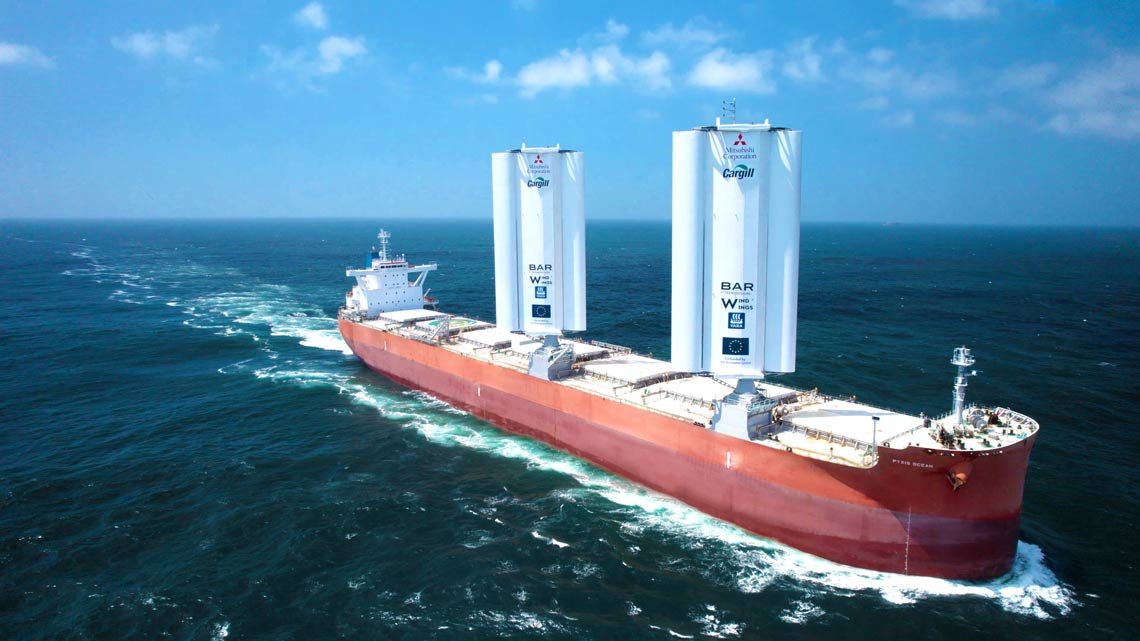
The International Maritime Organization is moving to bring wind-assisted propulsion fully into the regulatory mainstream, approving a formal workplan that targets 2029 for interim safety guidelines covering wind propulsion and wind-assisted power systems.
The decision follows the 12th session of the IMO’s Sub-Committee on Ship Design and Construction (SDC 12), held in London from January 19 to 23, and marks a key step toward wider adoption of wind technologies across the commercial fleet.
Industry participants say the lack of standardized safety guidance has been one of the main barriers slowing uptake. Formal IMO guidelines are expected to give shipowners, insurers, and classification societies greater confidence as wind-assisted systems move from niche deployments to broader commercial use.
“This is a vital milestone in the decarbonisation of the global fleet,” said John Cooper, CEO of BAR Technologies, which develops wind-assisted propulsion systems. “By creating a regulatory environment that supports wind propulsion, the IMO is unlocking one of the most effective zero-emission technologies available today.”
Under the approved timeline, the workplan will be submitted to the Maritime Safety Committee for endorsement at MSC 111 in May 2026. If approved, SDC 15 would finalize interim wind propulsion safety guidelines in 2029, with formal adoption expected at MSC 116 later that year.
The framework is intended to close long-standing regulatory gaps around wind technologies, which have often been assessed on a case-by-case basis rather than through unified international standards.
Lauren Eatwell, Head of WindWings at BAR Technologies, said clearer regulation is essential for scaling deployment. “Safety and scalability go hand in hand,” she said. “This is about enabling real change, not just setting rules.”
The IMO’s work on wind propulsion forms part of a broader safety effort covering multiple greenhouse gas-reducing technologies, including nuclear propulsion and lithium-ion battery systems. SDC 12 also established a Correspondence Group on GHG Safety, tasked with compiling information on nuclear and wind power ahead of a report due at SDC 13.
The regulatory momentum comes as shipping faces growing pressure to align with the IMO’s 2050 net-zero targets. The 2029 timeline for interim wind safety guidelines coincides with rising interest in green shipping corridors and zero-emission-ready vessels.
Industry groups, including the International Windship Association, continue to push for wind propulsion to receive fair treatment under efficiency metrics and financial incentives within the IMO’s proposed Net-Zero Framework, arguing that direct energy solutions should not be undervalued in emissions calculations.
With several wind-assisted systems already operating commercially, proponents say regulatory clarity is now critical to scaling adoption across the global fleet.
Sign up for gCaptain’s newsletter and never miss an update