SPIE wins EDF maintenance deal for French offshore...
6 hours ago

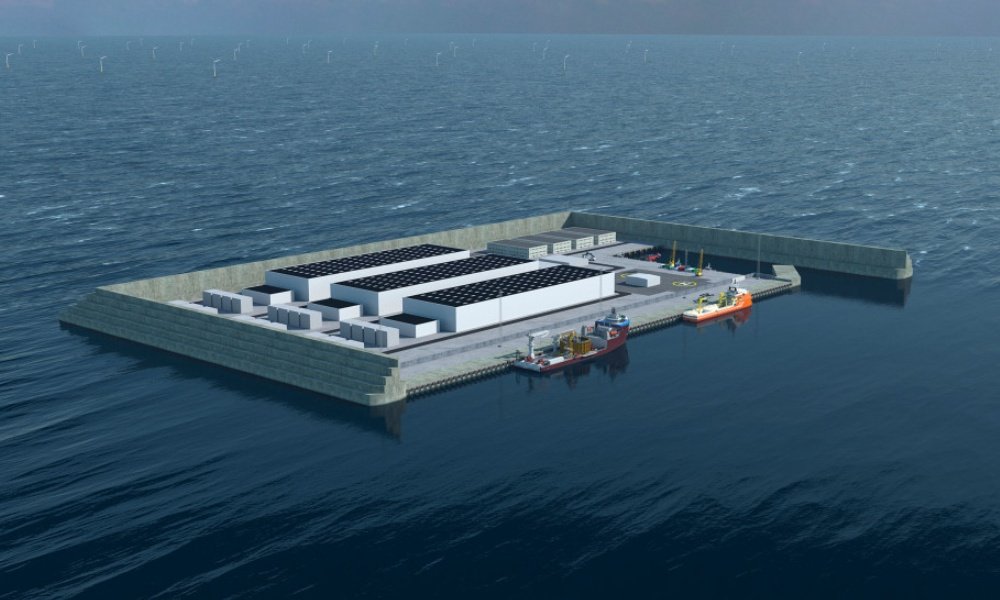
Germany and Denmark have sealed an agreement at the North Sea Summit in Hamburg, finalising cost allocation for the development of offshore wind within the Bornholm Energy Island project.
The Bornholm Energy Island is a joint Danish-German project in the Baltic Sea, set to become a major offshore wind hub by 2030, capable of powering 3.3 to 4.5m households.
The pact, backed by €645m ($773m) in EU Connecting Europe Facility grants, will see the Bornholm Energy Island wind farm link 3GW of electricity to the Danish and German national grids via a 280 km high-voltage line.
EU Energy Commissioner Dan Jørgensen called it “a blueprint for EU offshore renewable energy,” underscoring its role in clean energy security amid geopolitical challenges.
The project builds on a 200MW demonstration phase operational since 2023. It features a 145 km offshore AC line and bidirectional flows for power and future hydrogen.
The Bornholm Energy Island project is overseen by German and Danish transmission system operators 50Hertz and Energinet.
Denmark handles wind farm and substation development, while Germany manages grid integration under the EU’s Energy Highways initiative.
“The agreement provides clarity on the economic framework around the project and strengthens the basis for the technical planning, coordination and cross-border cooperation that Bornholm Energy Island requires,” said Thomas Egebo, CEO of Energinet.