A practical vision of nuclear power at sea
2 hours ago

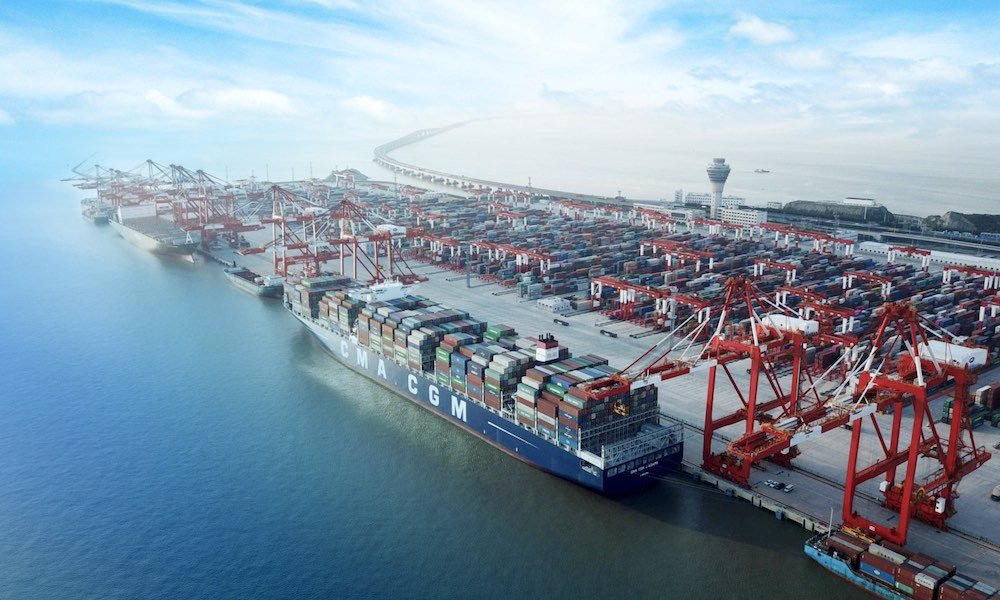
French shipping and logistics giant CMA CGM and Japanese shipping major Nippon Yusen Kaisha (NYK) have unveiled major new artificial intelligence initiatives as the maritime industry accelerates efforts to integrate AI across vessel operations, logistics and corporate management.
CMA CGM is set to showcase its expanding AI strategy today at the AI Now Summit organised by Mistral AI in Paris, where chairman and chief executive Rodolphe Saadé will discuss large-scale AI deployment across the group’s operations.
The Marseille-based carrier said it will begin rolling out MAIA, Powered by Mistral from June 1, an internal AI platform designed to support nearly 80,000 employees across CMA CGM, CEVA Logistics and CMA Media.
The platform has been co-developed with Mistral AI under a five-year partnership signed last year. Around 20 Mistral engineers are already embedded within CMA CGM teams in Marseille and at CMA Media’s headquarters.
CMA CGM said AI has become central to its transformation strategy, with more than 55 AI projects and over 200 identified use cases already deployed across shipping, logistics and media operations.
Applications include vessel routing optimisation, energy consumption management, ETA prediction, smart booking systems and AI-assisted customer care tools handling millions of annual service requests.
The group is also using AI internally through tools such as Microsoft Copilot and MAIA to automate administrative work, analyse documents and support operational decision-making.
Meanwhile, NYK has launched a companywide initiative called SAIL with AI Compass aimed at building AI-ready talent and embedding AI usage across daily operations.
The programme forms part of NYK’s medium-term management strategy and includes the launch of NYK AI College, a training platform covering AI literacy and practical business applications.
The Japanese carrier said the initiative is designed to improve operational sophistication and support sustainable business growth without significantly increasing headcount.
NYK also plans to create internal AI knowledge-sharing networks, encourage employees to develop operational AI use cases and introduce incentive systems rewarding AI-driven innovation.