Wärtsilä: All-Time High Operating Result And Cash ...
2 months ago

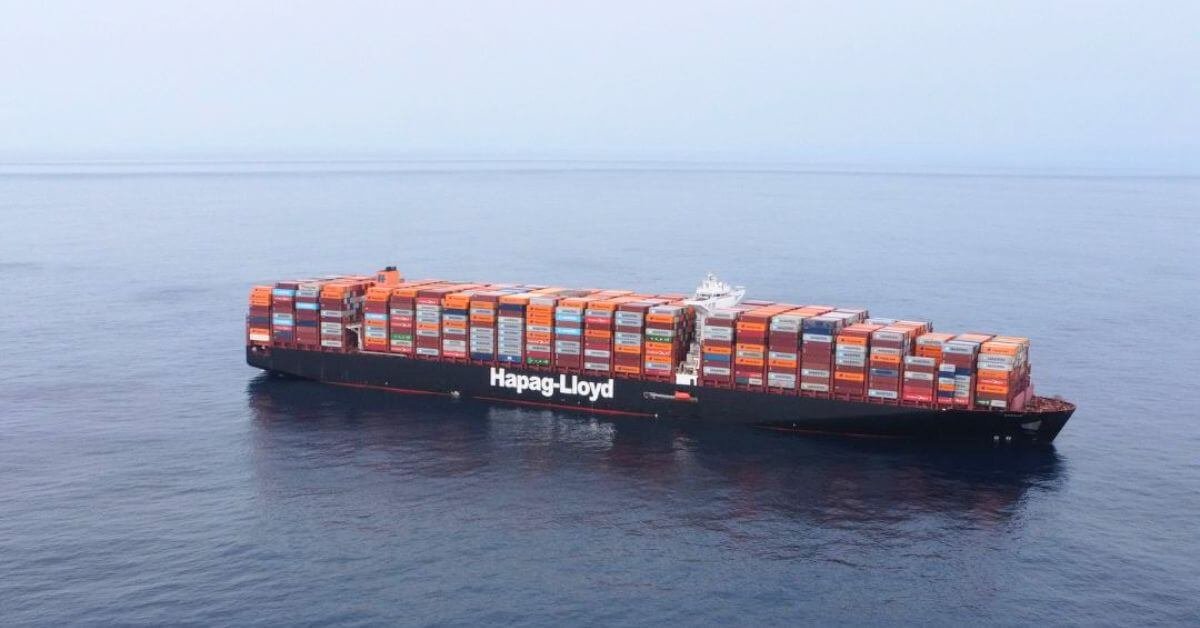
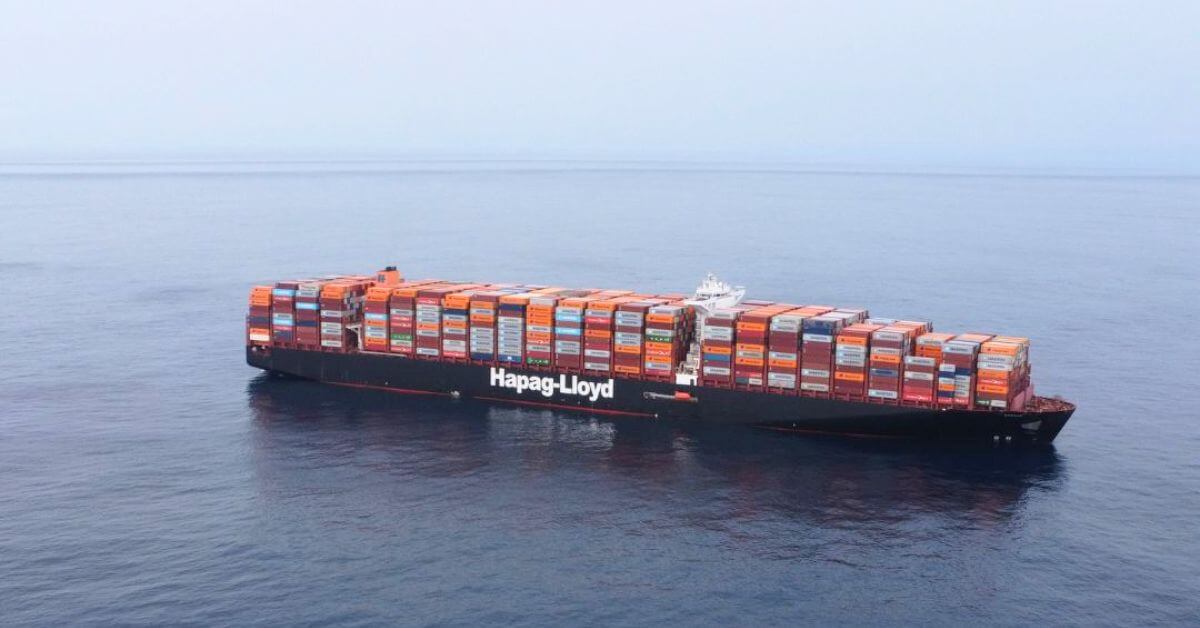
Hapag-Lloyd has ordered eight new dual-fuel methanol container ships from Chinese shipbuilder CIMC Raffles. Each vessel will have a capacity of 4,500 TEU, with deliveries scheduled for 2028 and 2029. The total value of the order is more than USD 500 million.
The new ships will be fitted with modern dual-fuel engines that can run on methanol. Hapag-Lloyd has said the vessels will be up to 30 per cent more efficient than older ships of the same size.
When operating on methanol, they are expected to cut emissions by up to 350,000 metric tonnes of CO2 equivalent per year. This is Hapag-Lloyd’s first newbuild project using methanol propulsion. The vessels will add to the company’s growing dual-fuel fleet.
At present, Hapag-Lloyd has 37 dual-fuel LNG container ships either in service or planned, and these ships can also operate on biomethane.
The methanol order follows earlier moves by the carrier. In April 2024, Hapag-Lloyd agreed with Seaspan Corporation to convert five 10,100 TEU container ships to dual-fuel methanol propulsion.
These conversions are planned for 2026 and 2027. In November 2024, the company also signed an agreement with Chinese energy producer Goldwind to secure 250,000 metric tonnes of green methanol per year.
The fuel will be a mix of biomethanol and e-methanol and is expected to reduce greenhouse gas emissions by at least 70 per cent while meeting current sustainability certification requirements.
Alongside the newbuilds, Hapag-Lloyd has decided to charter 14 additional container ships on a long-term basis. This includes four ships of 1,800 TEU, six ships of 3,500 TEU and four ships of 4,500 TEU.
These vessels are due to be delivered between 2027 and 2029. As announced earlier on 13 November 2025, the company is investing in a total of 22 vessels in the under-5,000 TEU segment.
Hapag-Lloyd’s chief executive Rolf Habben Jansen said fleet modernisation is a key part of the company’s Strategy 2030. He explained that the new ships will replace older vessels, help cut emissions, reduce dependence on chartered ships and lower operating costs by using more efficient tonnage.
Reference: Hapag Lloyd
Disclaimer :
The information on this website is for general purposes only. While efforts are made to ensure accuracy, we make no warranties of any kind regarding completeness, reliability, or suitability. Any reliance you place on such information is at your own risk. We are not liable for any loss or damage arising from the use of this website.
Disclaimer :
The information on this website is for general purposes only. While efforts are made to ensure accuracy, we make no warranties of any kind regarding completeness, reliability, or suitability. Any reliance you place on such information is at your own risk. We are not liable for any loss or damage arising from the use of this website.
1. eBooks for Engine Department
Master machinery operations, troubleshooting, and safety procedures with expertly written guides tailored for marine engineers. Prevent costly breakdowns and onboard accidents through practical knowledge.
👉 Explore Engine Department eBooks
2. eBooks for Deck Department
Sharpen your seamanship, navigation, and cargo-handling skills with real-world case studies and practical insights designed for deck officers and cadets.
👉Discover Deck Department eBooks
3. eBooks on Electrical Fundamentals & Issues
Understand marine electrical systems, identify potential faults, and prevent onboard electrical failures with step-by-step explanations from industry experts.
4. Pocket Guides for Quick Reference
Compact, handy, and loaded with essential checklists—perfect for on-the-go reference during operations and emergencies at sea.
5. Combo Packs to Save Big
Access multiple expert eBooks at discounted prices. Ideal for professionals seeking complete safety and operational knowledge across various ship departments.
6. Digital Maritime Courses – Learn at Your Own Pace
Upgrade your competence with Marine Insight Academy’s online courses. Learn from industry professionals anytime, anywhere, and become a safer, smarter seafarer.