Latsis-linked EuroHoldings grows product tanker ex...
12 hours ago

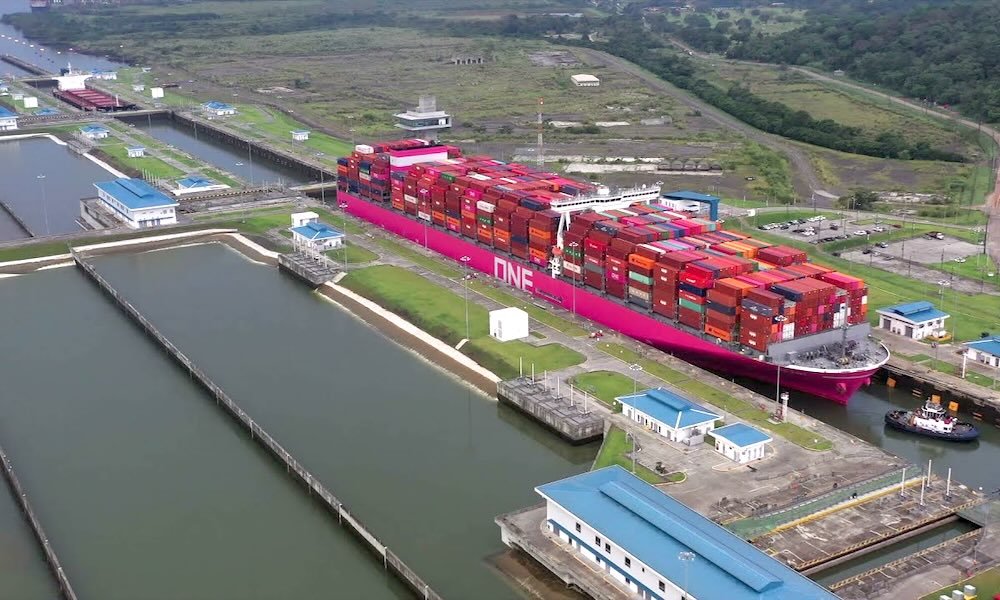
Disruption in the Strait of Hormuz is helping drive a sharp rise in Panama Canal traffic, with the waterway now operating close to maximum capacity as US energy exports to Asia surge.
According to new analysis from BIMCO, average daily transits through the canal have risen 8% year-on-year so far in 2026 to 38 vessels per day, largely driven by tanker demand.
“Transits have been especially high during the past five weeks, rising 16% year-on-year, as US energy exports to the Pacific jumped,” said Filipe Gouveia, shipping analysis manager at BIMCO.
The escalation of conflict involving Iran and the resulting reduction in Strait of Hormuz transits have tightened global energy supplies and boosted commodity prices, prompting buyers in Asia and on the west coast of the Americas to source more cargoes from the US Gulf.
That shift has increased competition for Panama Canal slots, particularly among tanker operators.
“The daily maximum capacity of the Panama Canal is around 36 to 40 transits, meaning it is currently operating close to maximum capacity,” Gouveia said.
While some transits are reserved well in advance, others are sold via daily auctions for last-minute slots. According to BIMCO, the recent spike in demand has pushed up auction prices and contributed to a 50% year-on-year rise in waiting times, which now average 47 hours.
Container vessels, LPG carriers, oil tankers and bulkers together account for roughly 77% of canal traffic. Liners generally secure slots earlier because of fixed schedules, while bulk and tanker operators often bid closer to sailing dates.
As costs and delays rise, some operators are increasingly weighing alternative routes via the Cape of Good Hope or Cape Horn despite longer voyage distances and higher bunker consumption.
BIMCO also warned that weather could create further complications later this year. The possible return of the El Niño climate pattern between May and July threatens rainfall levels feeding Gatun Lake, the canal’s primary water reservoir.
When El Niño severely impacted the canal in late 2023 and early 2024, daily transits were slashed to just 22 ships and maximum draught restrictions were imposed.
The Panama Canal Authority sought to downplay concerns over congestion in comments sent to Splash, stressing that million-dollar auction prices remained “unique exceptions, not the rule”.
A spokesperson said average auction prices between October 2025 and February 2026 were approximately $130,000, although preliminary figures for March and April showed averages closer to $385,000 because of “temporary market dynamics caused by geopolitical developments”.
The canal authority added that around 85% of vessels transit using standard reservation systems or long-term slot allocations, while waiting periods mainly affect ships arriving without pre-booked slots.
“Even though the Panama Canal records both, vessels with and without a reservation, it is important to separate them to avoid the impression of a congestion,” the spokesperson said.
Separately, the Panama Canal Authority has appointed Ilya Espino de Marotta as administrator of the canal for the 2026-2033 period, making her the first woman to lead the strategic waterway.